
About / Our Team / Rory Anderson
(619) 486-6437

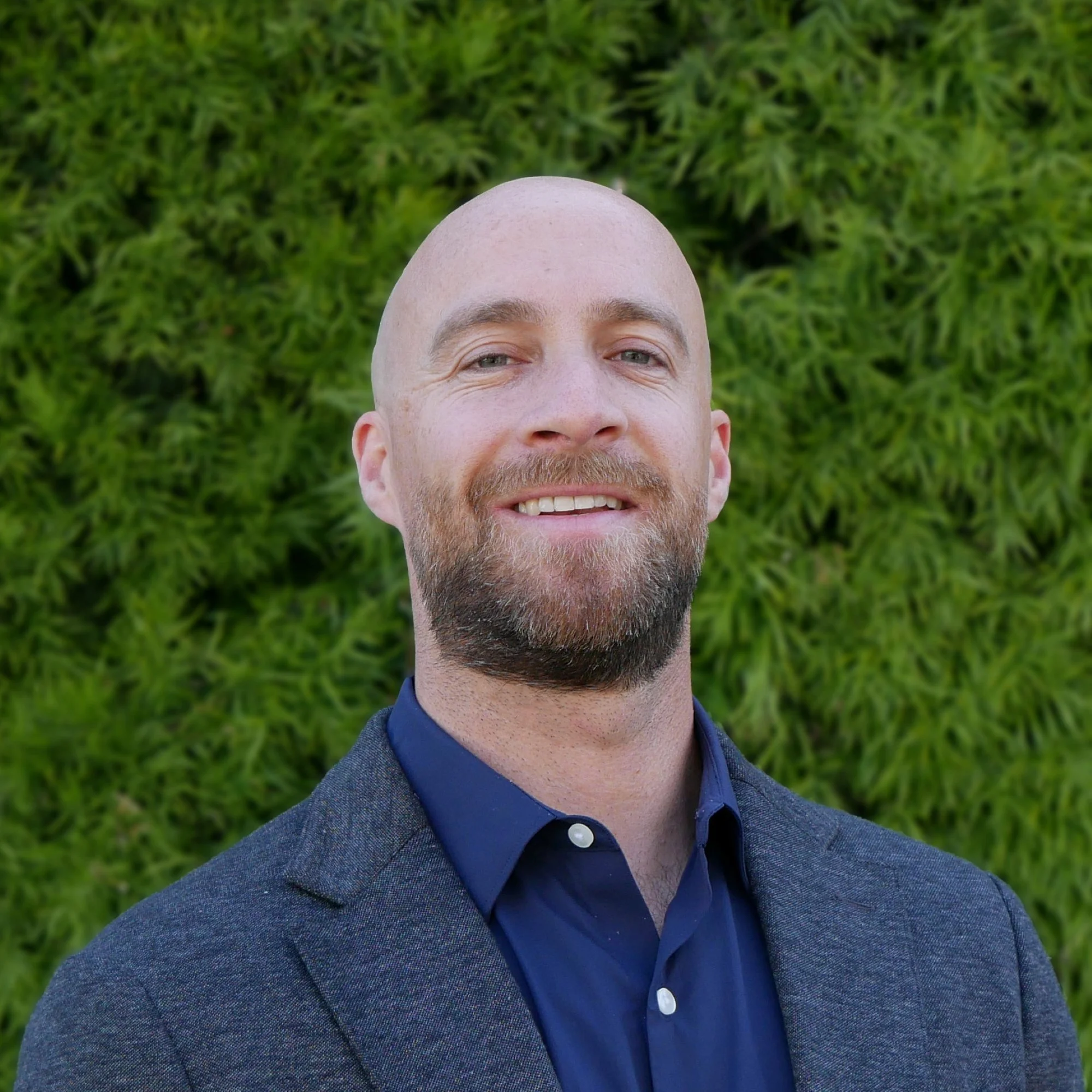
Rory Anderson
Partner, Tree Care Group
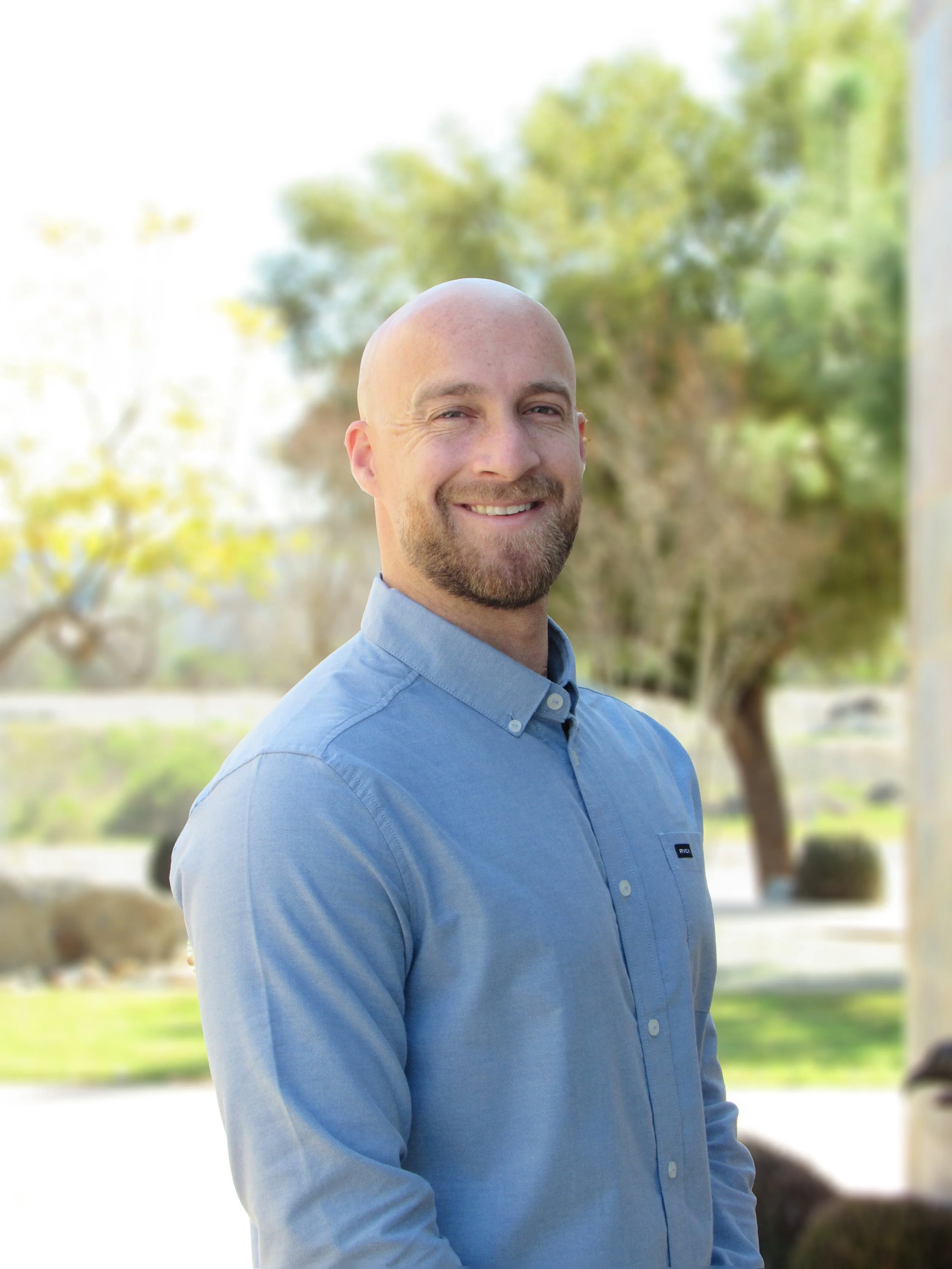
Rory is a Partner at Rancho Mesa Insurance Services and leads the Tree Care Group, where he specializes in risk management and insurance solutions for tree care companies. With a strong background in sales, marketing, and customer service, Rory has built trusted relationships within the tree care industry and brings deep knowledge of its unique risks and challenges. He is passionate about helping clients build safer operations and more resilient businesses.
Rory was born and raised in San Diego and now lives in Encinitas with his wife and their two young children. Outside of work, he enjoys surfing, working out, playing guitar, and spending time with his family. Whether he’s chasing waves or chasing toddlers, Rory embraces the active Southern California lifestyle. He also enjoys live music, discovering new restaurants, and cheering on the Padres.
-
Experience
Partner, June 2024 - Present
Rancho Mesa Insurance Services, Inc.Account Executive, December 2019 - June 2024
Rancho Mesa Insurance Services, Inc.Account Executive, October 2018 - November 2019
Digital Media Solutions (DMS)Marketing Analyst Intern, June 2016 – Aug 2016
Zenith Insurance CompanyEducation
Bachelor of Science, Marketing, 2017
California State University, Long Beach

Safety & Risk Management Podcast
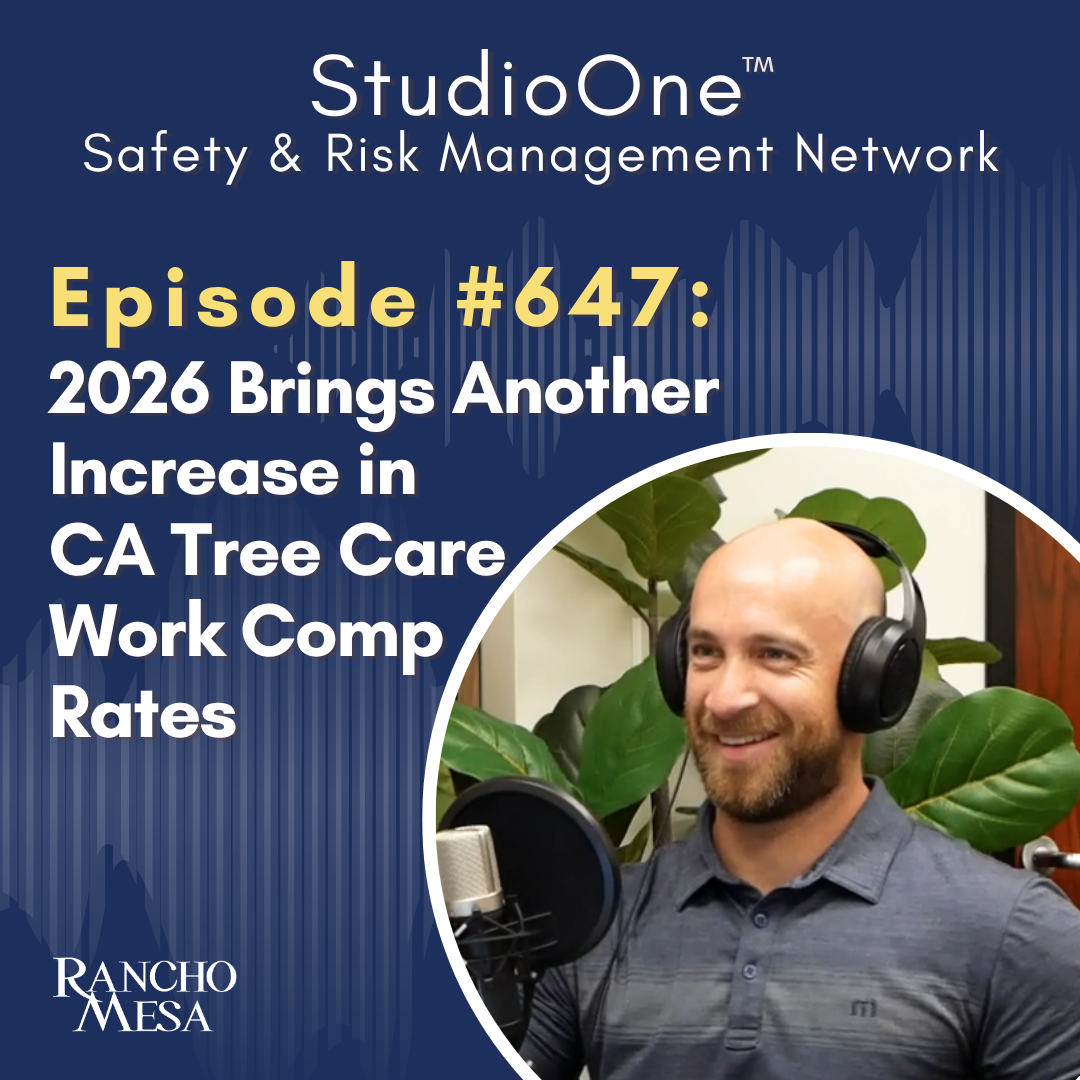
Rancho Mesa’s Alyssa Burley sits down with Rory Anderson, Partner with the Tree Care Group, to talk about the increase in workers’ compensation pure premium rate for tree care businesses in California.
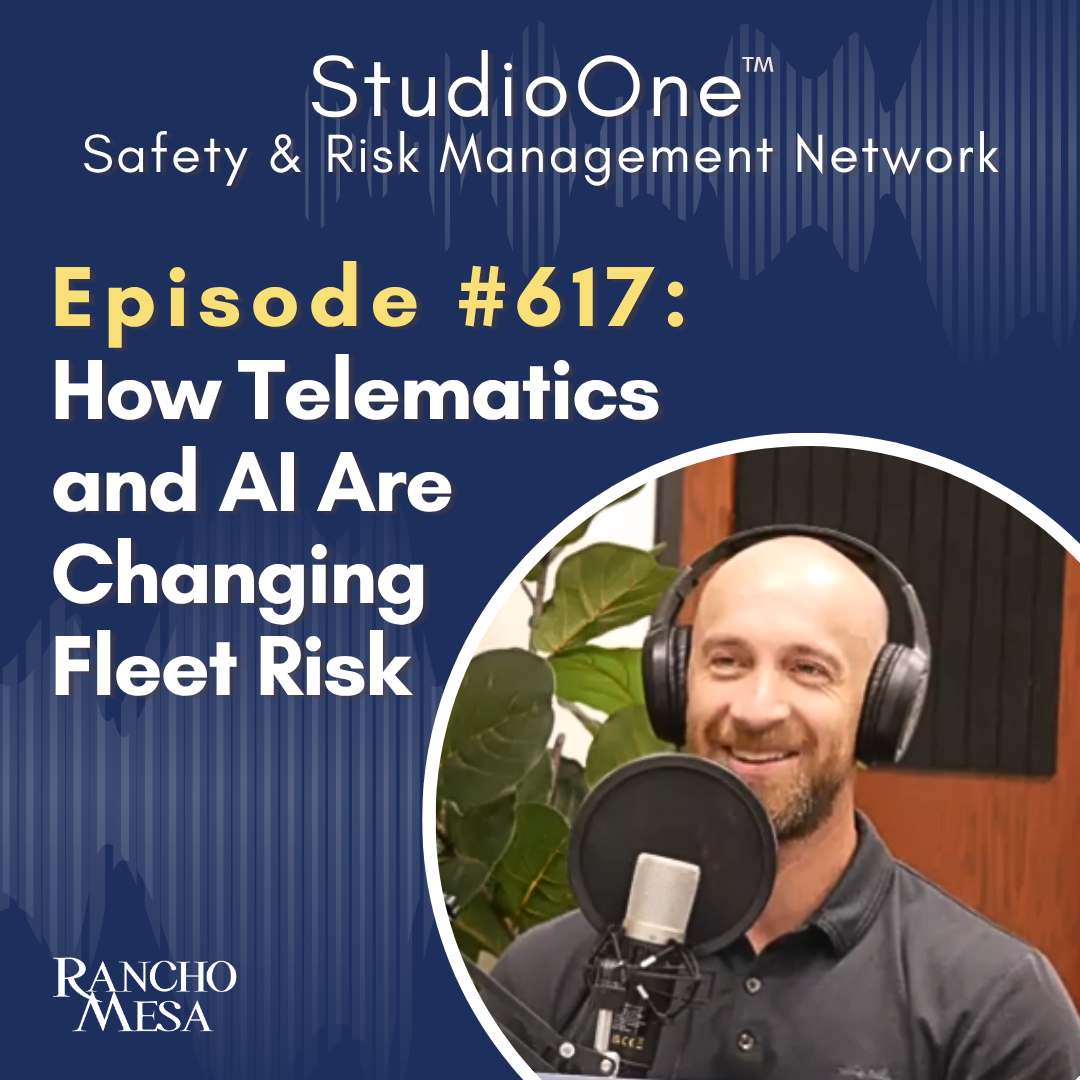
Rancho Mesa’s Alyssa Burley sits down with Rory Anderson, Partner with the Tree Care Group, to talk about how telematics and AI are changing fleet risk.

Rancho Mesa’s Marketing & Media Communications Specialist Megan Lockhart sits down with Rory Anderson, Partner with the Tree Care Group, to talk about general liability classification for tree care contractors.
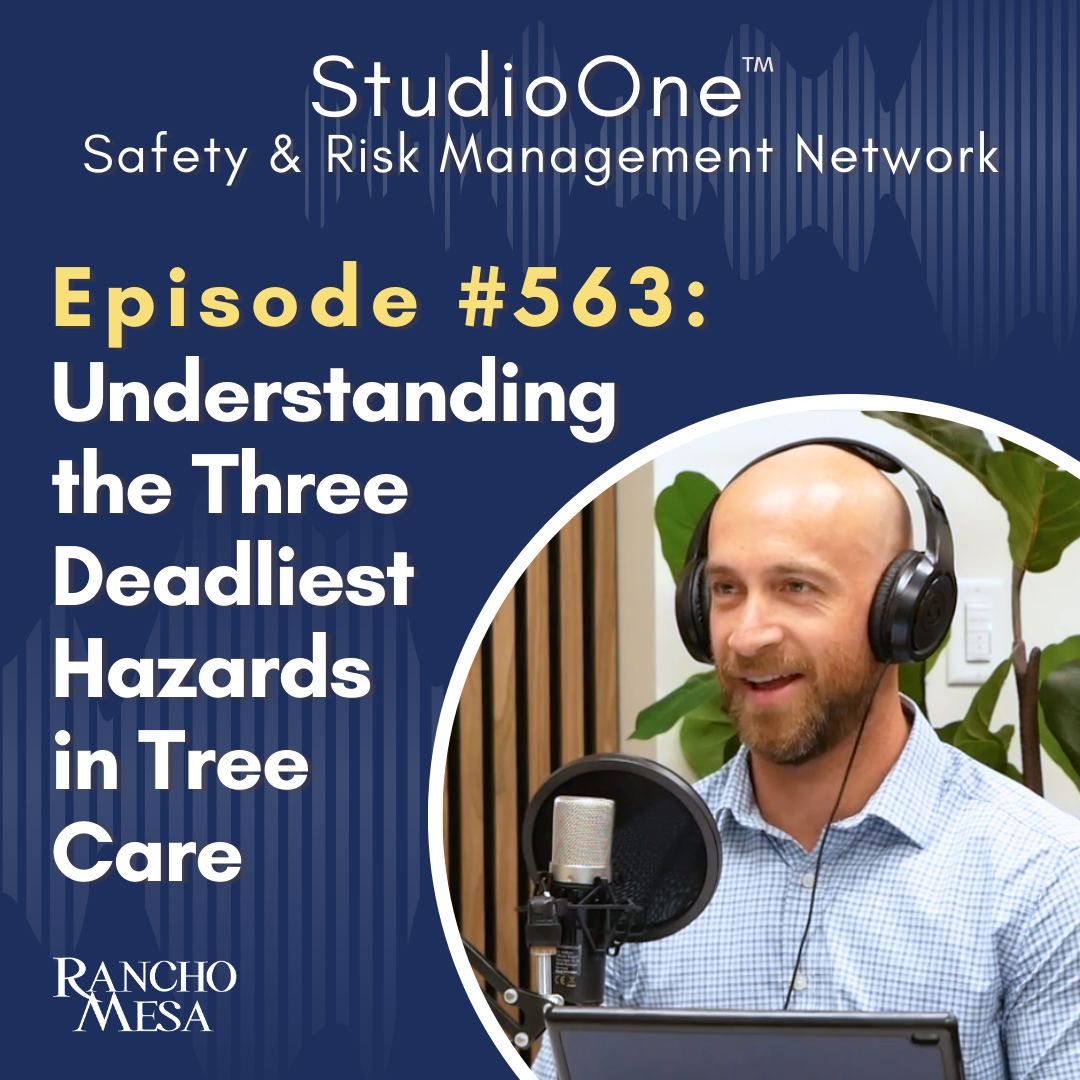
Rancho Mesa’s Marketing & Media Communications Specialist Megan Lockhart sits down with Rory Anderson, Partner with the Tree Care Group, to talk about the deadliest hazards in the tree care industry.

Rancho Mesa’s Marketing & Media Communications Specialist Megan Lockhart sits down with Rory Anderson, Partner with the Tree Care Group, to discuss how tree care companies can navigate the insurance hard market.

Rancho Mesa’s Marketing & Media Communications Specialist Megan Lockhart sits down with Rory Anderson, Partner with the Tree Care Group, to talk about several ways tree care companies can strengthen their insurance profile.
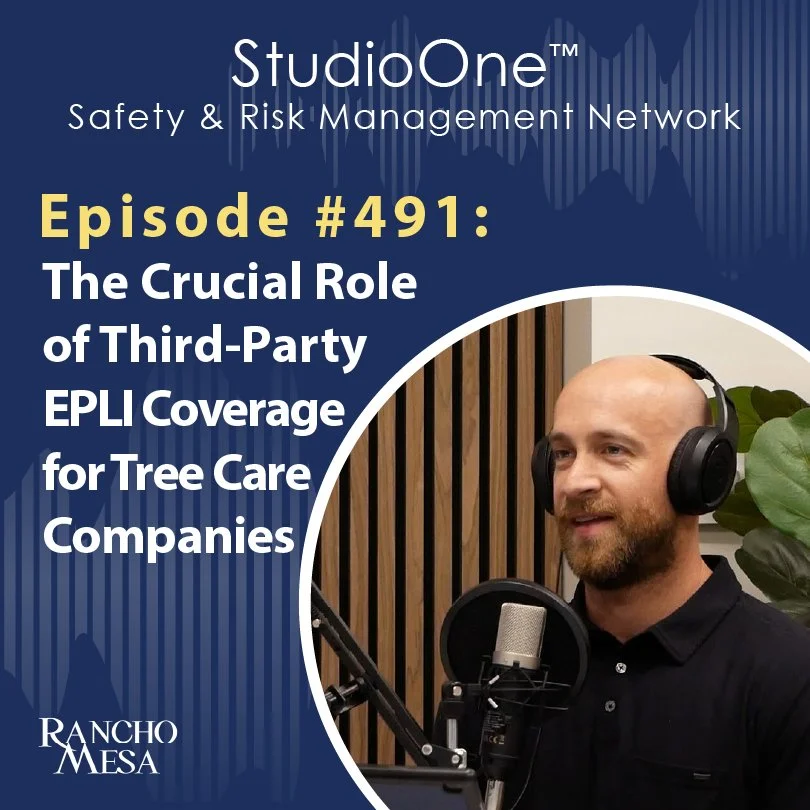
Rancho Mesa Partners Alyssa Burley and Rory Anderson talk about the critical role of third-party EPLI coverage specifically for the tree care industry.
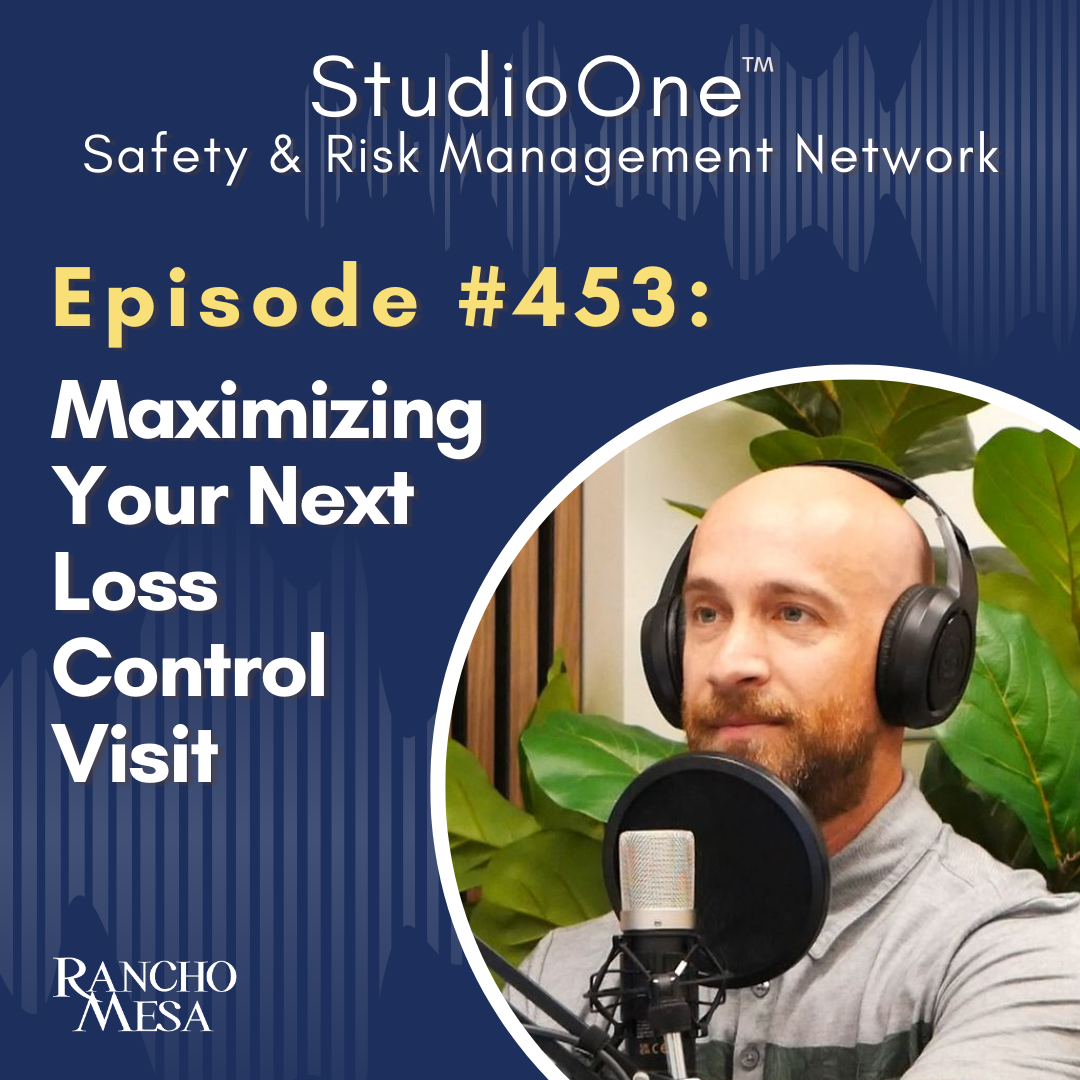
Rancho Mesa's Alyssa Burley and Rory Anderson, Partner and Account Executive of the Tree Care Group discuss how companies can maximize the value of their carrier loss control visits.
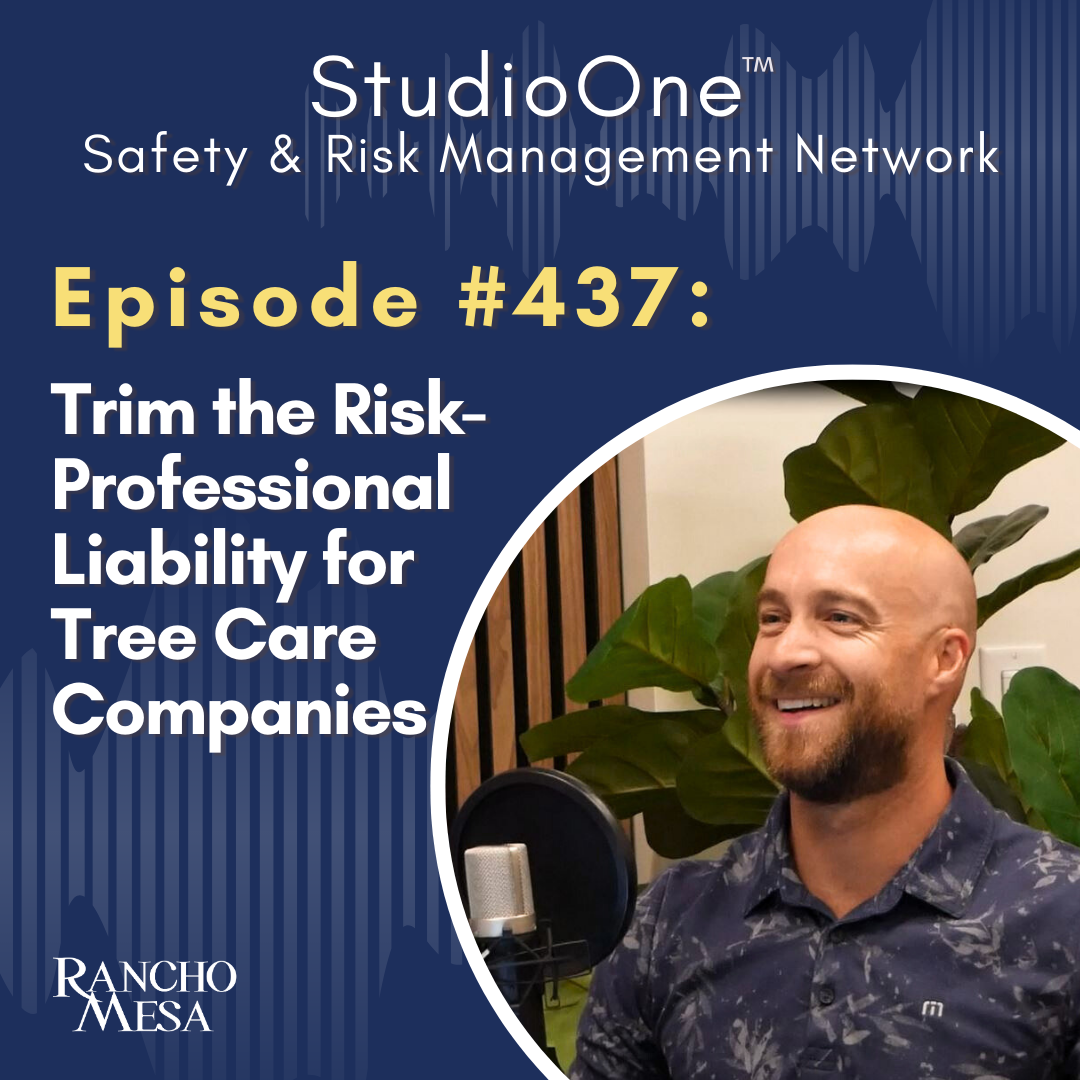
Rancho Mesa's Alyssa Burley and Rory Anderson, Partner and Account Executive of the Tree Care Group discuss professional liability for tree care companies.
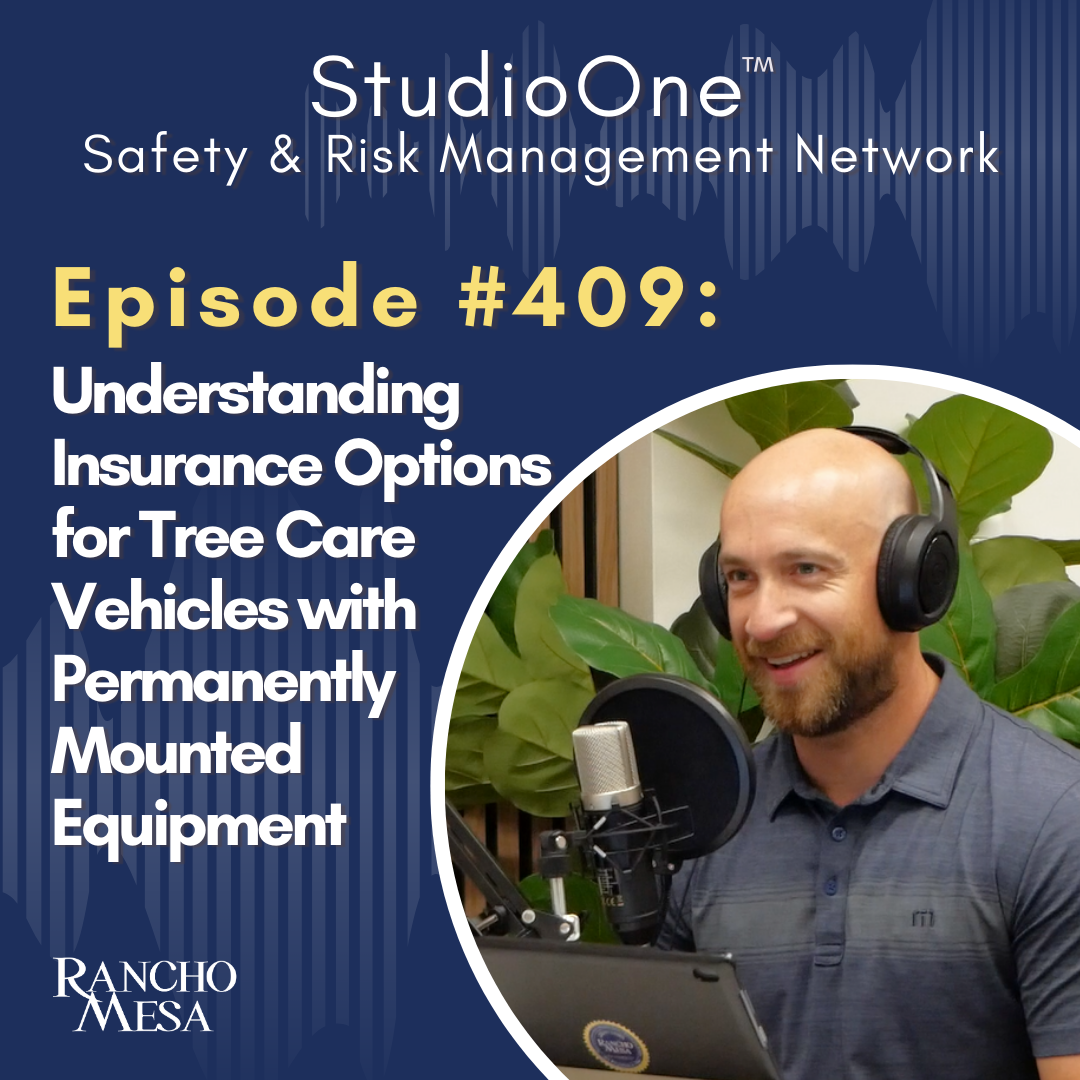
Rancho Mesa's Client Technology Coordinator Kathryn Zamora and Account Executive of the Tree Care Group Rory Anderson discuss insurance options for tree care vehicles with permanently mounted equipment.
Rancho Mesa's Alyssa Burley and Account Executive of the Tree Care Group Rory Anderson discuss properly classifying equipment and vehicle maintenance operations, in the tree care industry, to avoid insurance audit nightmares.
Rancho Mesa's Alyssa Burley and Account Executive of the Tree Care Group Rory Anderson talk about the importance of properly insuring large tree care equipment.
Rancho Mesa's Alyssa Burley and Account Executive of the Tree Care Group Rory Anderson talk about developing an asset relocation plan in wildfire-prone regions.
Rancho Mesa's Alyssa Burley and Account Executive of the Tree Care Group Rory Anderson talk about improving safety in the tree care industry through mechanization.
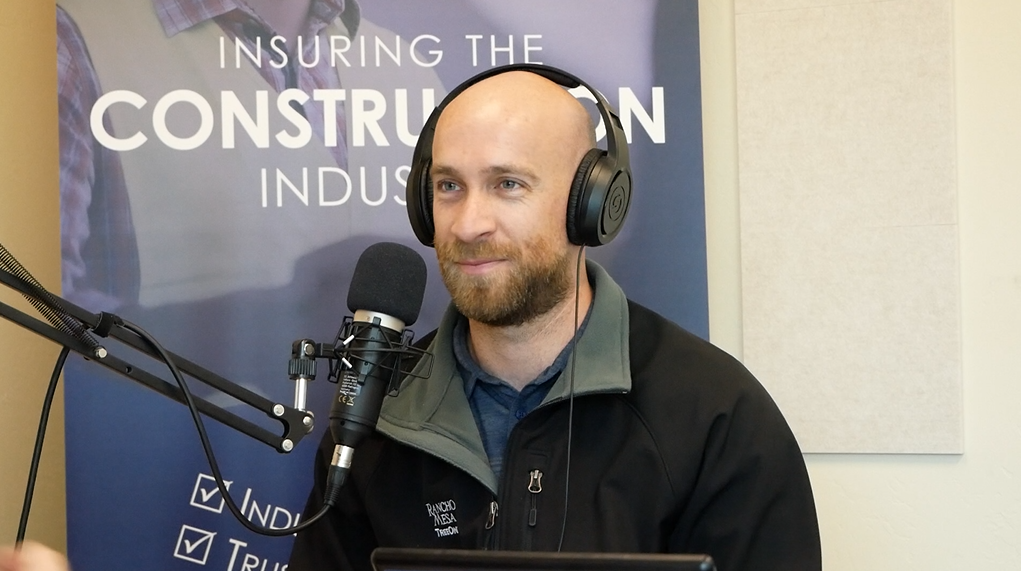
Rancho Mesa's Alyssa Burley and Account Executive of the Tree Care Group Rory Anderson discuss pollution liability for tree care companies.
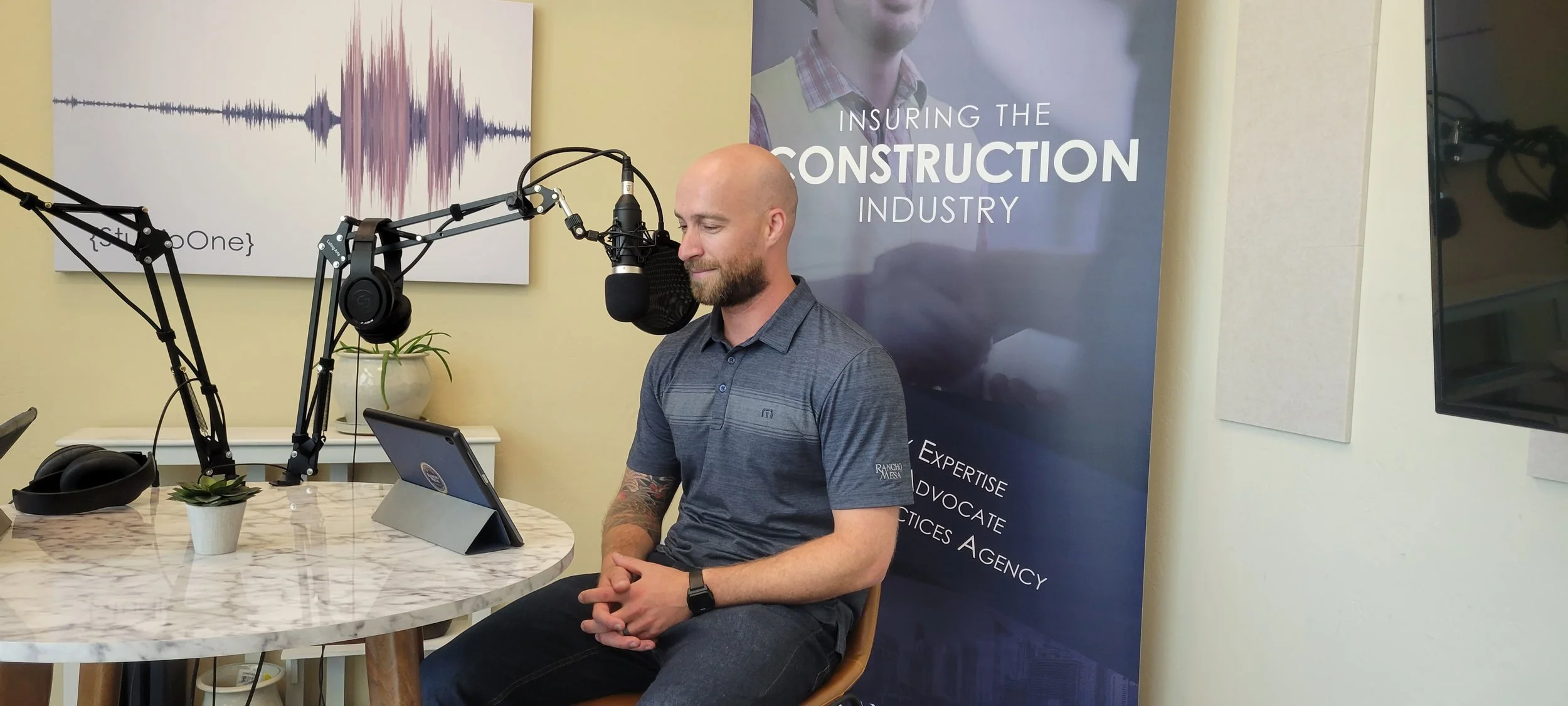
Rancho Mesa's Alyssa Burley and Account Executive of the Tree Care Group Rory Anderson discuss California’s new rule that requires tree care companies to carry workers’ compensation insurance.
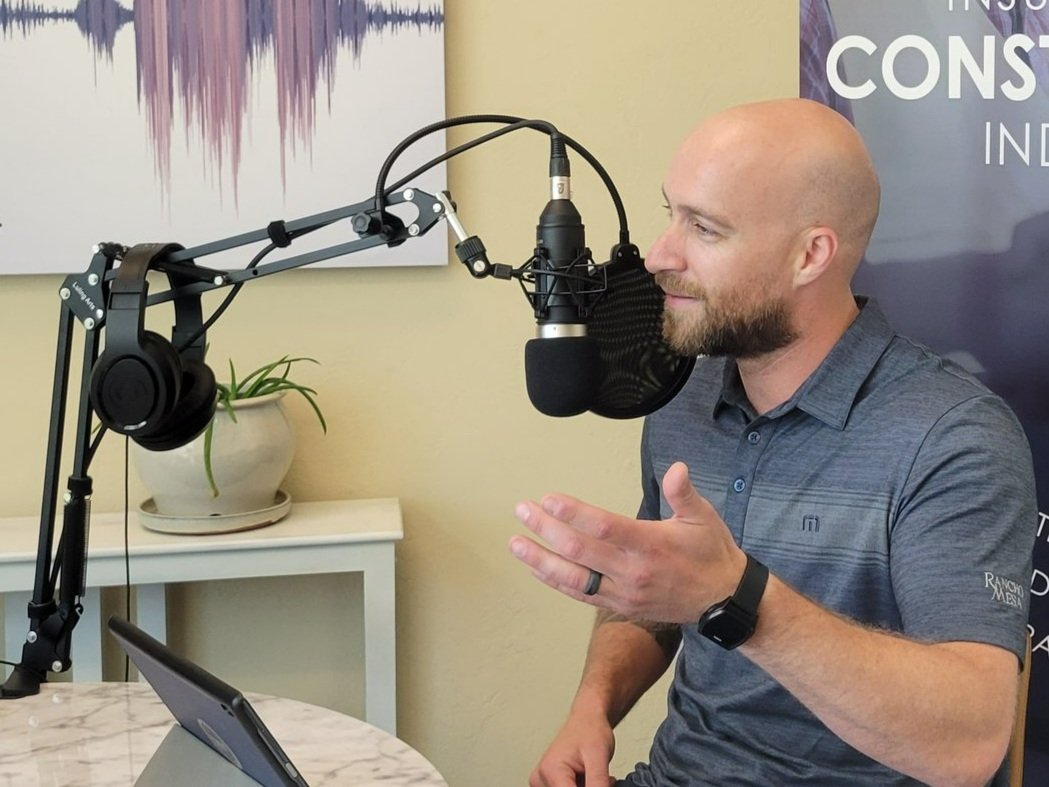
Rancho Mesa's Alyssa Burley and Account Executive of the Tree Care Group Rory Anderson discuss the rise in the pure premium rate and how it is expected to impact the tree care industry.
Rancho Mesa's Lauren Stumpf and Account Executive Rory Anderson discuss rental reimbursement for specialty vehicles.
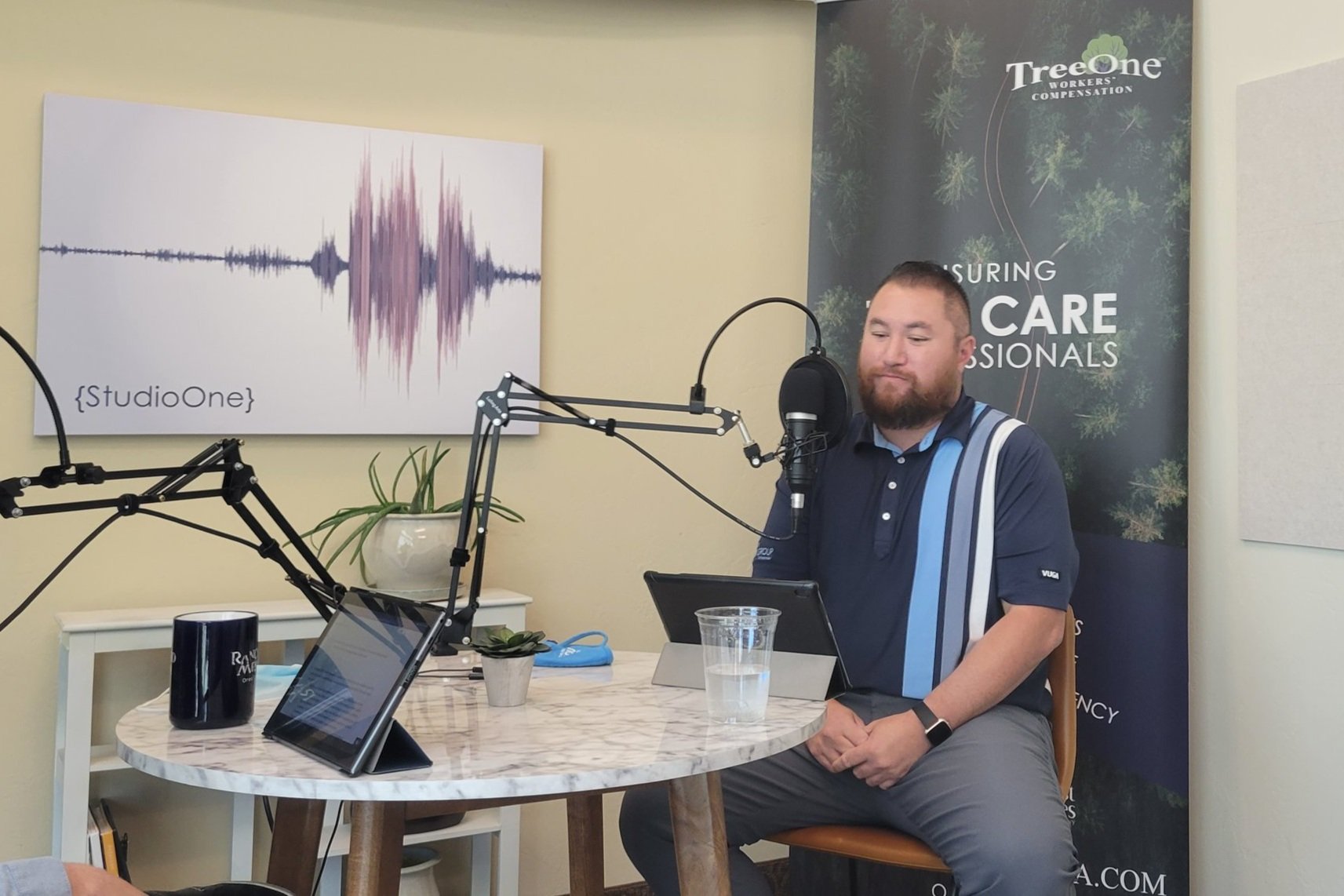
Rancho Mesa's Account Executive of the Tree Care Group, Rory Anderson interviews ICW Group's Business Development Underwriter Derrick Monty. Derrick discusses his background, ICW's role within the workers' compensation marketplace, and their industry specific program for tree care companies.

Rancho Mesa's Alyssa Burley and Account Executive Rory Anderson discuss hydraulics safety.
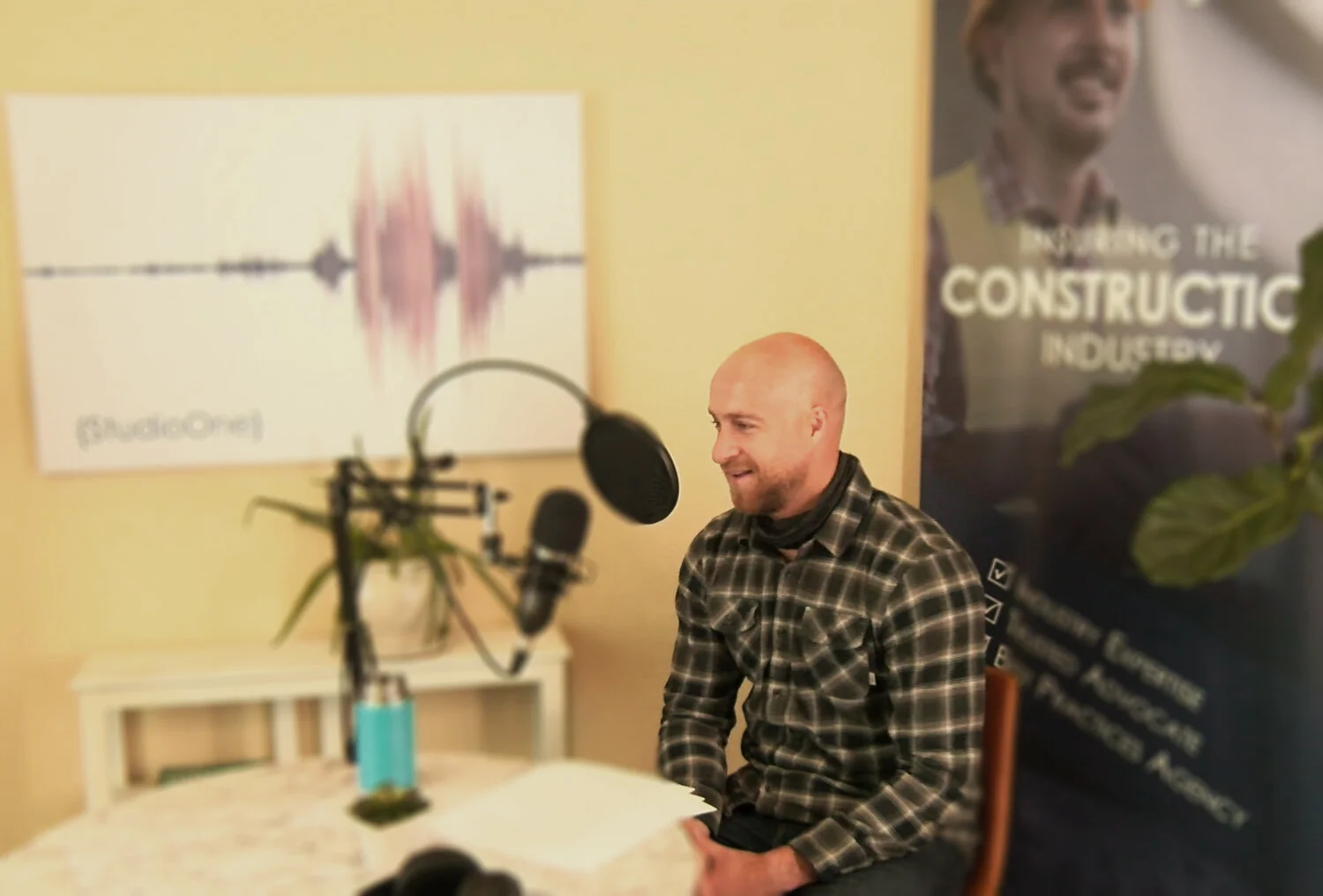
Dave Garcia, president of Rancho Mesa Insurance, interviews OneofOne® employee, Account Executive of the Tree Care Group, Rory Anderson on his upbringing, personal life, and professional career.
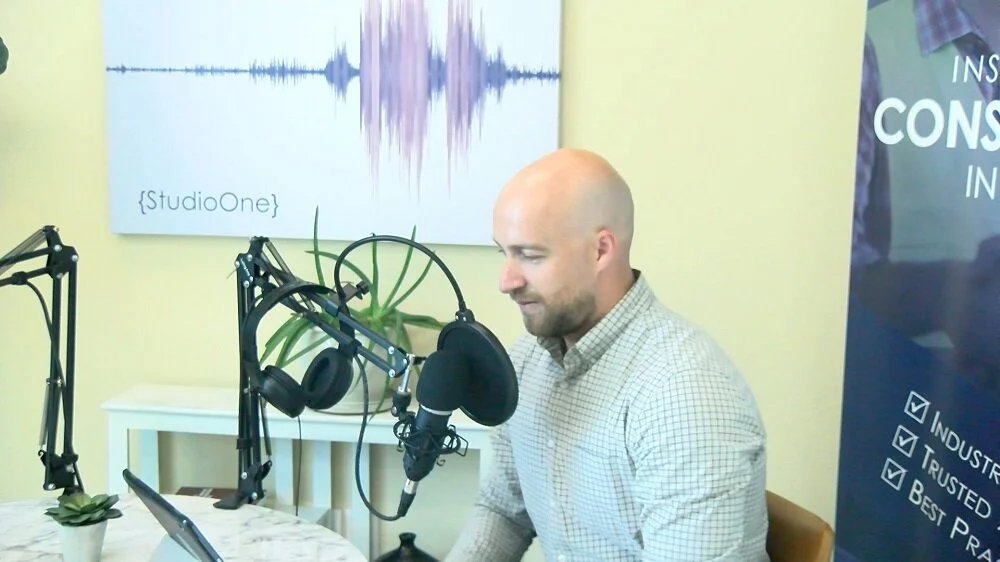
Rancho Mesa's Alyssa Burley and Account Executive in the Surety Department, Andy Roberts discuss how improving your net worth impacts a bonding program.

Rancho Mesa's Alyssa Burley and Account Executive, Rory Anderson, discuss the importance of properly classifying stump grinding operations for workers' compensation.
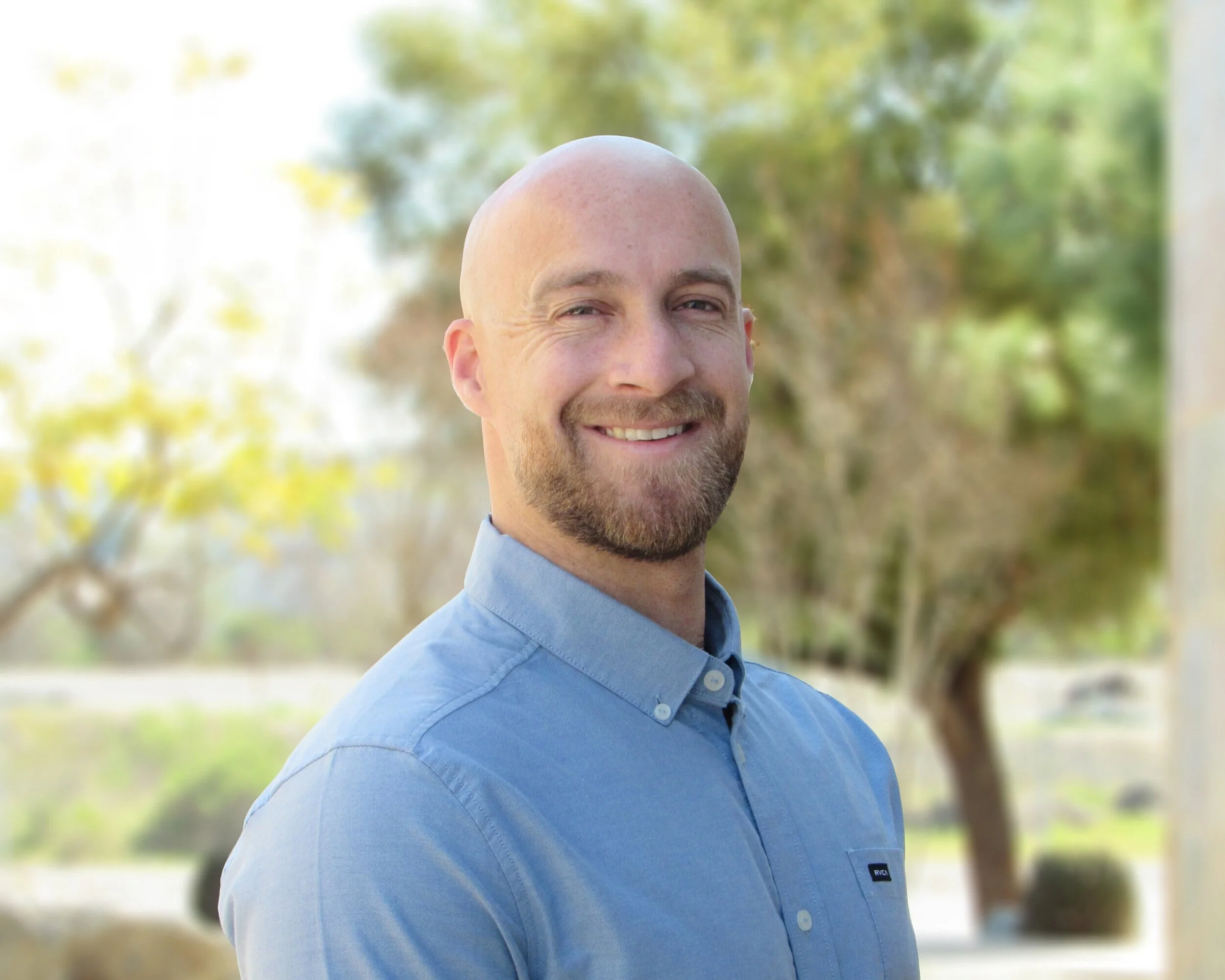
Rancho Mesa's Alyssa Burley and, Account Executive, Rory Anderson discuss professional liability, specifically for the tree care industry.

Rancho Mesa's Alyssa Burley and Account Executive Rory Anderson discuss Pure Premium Rates, how they are calculated, and what they mean.

Rancho Mesa's Alyssa Burley and Account Executive Rory Anderson discuss true total cost of risk.
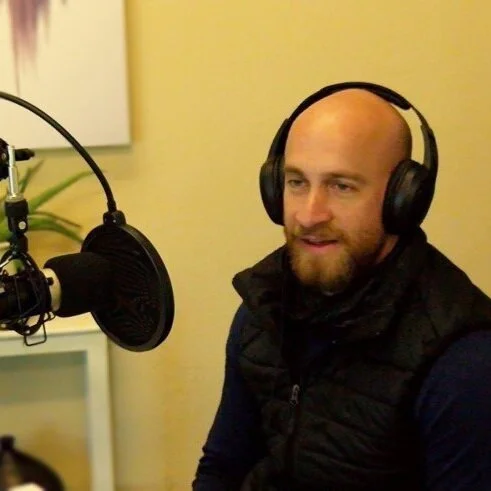
Rancho Mesa's Alyssa Burley and Account Executive Rory Anderson discuss the workers' compensation annual audit and tips to make sure audits go well.
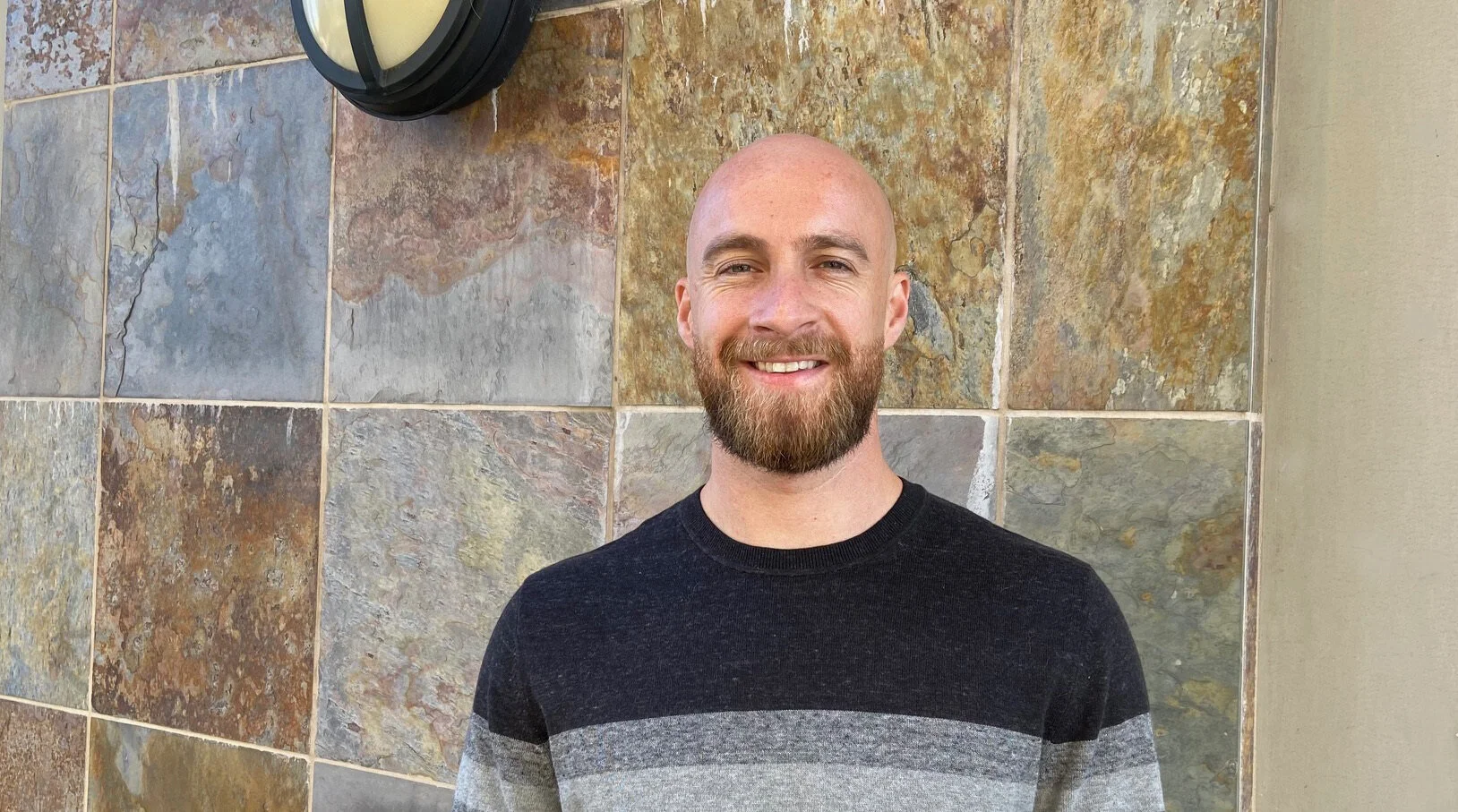
Rancho Mesa's Alyssa Burley and Account Executive Rory Anderson discuss how to distinguish class codes and how it is critically to choose the proper class code for your company.

Rancho Mesa's Rory Anderson, Account Executive at Rancho Mesa Insurance delivers his article, "Aerial Lift Best Practices."
Episodes Featuring Rory Anderson
Industry News
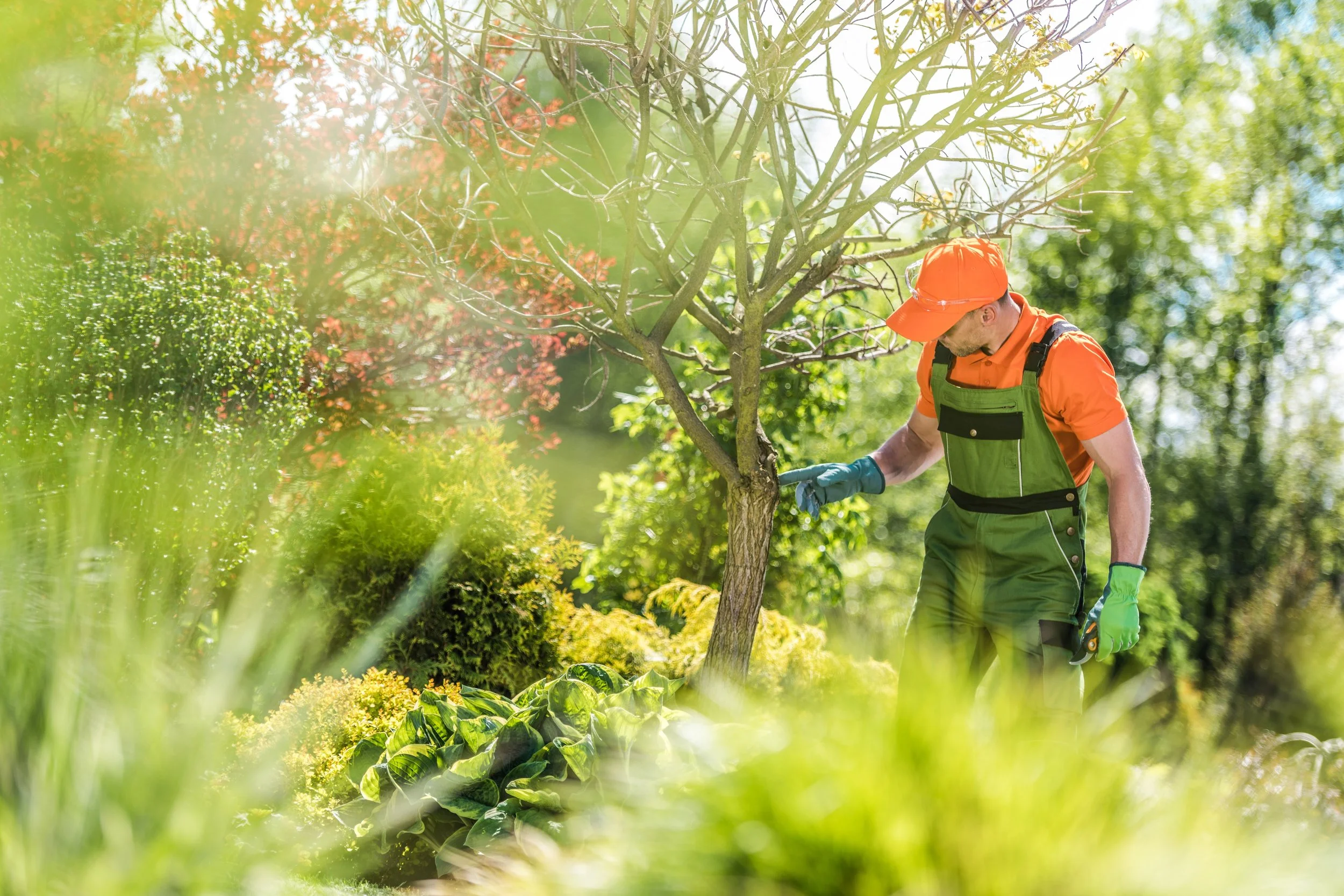
Author, Rory Anderson, Partner, Account Executive, Rancho Mesa Insurance Services, Inc.
Pure premium rates are developed by the Workers’ Compensation Insurance Rating Bureau of California (WCIRB) and reflect the expected cost of workers’ compensation claims for a particular class of business. Each year, the WCIRB evaluates loss and payroll data reported by insurance carriers throughout California and develops advisory pure premium rates that serve as an important benchmark for workers’ compensation pricing.
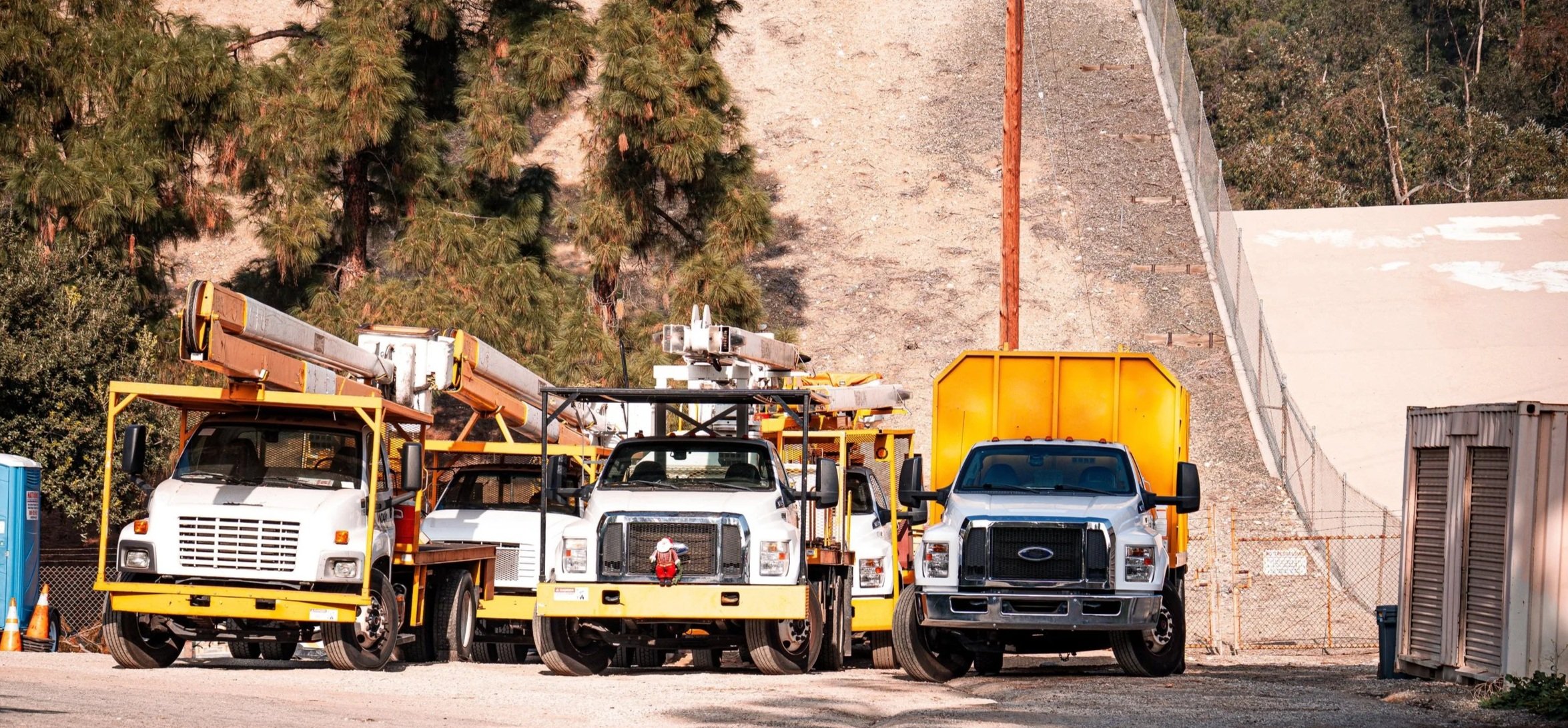
Author, Rory Anderson, Partner, Account Executive, Rancho Mesa Insurance Services, Inc.
Fleet safety technology is rapidly shifting from reactive to proactive. Modern telematics and artificial intelligence (AI) tools now give companies real-time visibility into driver behavior, helping identify and correct risky habits before they turn into accidents.
Author, Rory Anderson, Partner, Account Executive, Rancho Mesa Insurance Services, Inc.
Many tree care contractors are familiar with the ability to split workers’ compensation payroll between tree care and landscape codes when specific conditions are met. This has led some contractors to believe the same approach applies to general liability, particularly when trimming small shrubs, fruit trees, or clearing small trees and brush from the ground. While this assumption is understandable, workers’ compensation and general liability are governed by different classification systems. Applying workers’ compensation logic to general liability classification is one of the most common reasons tree care contractors experience unexpected additional premium at audit.
Author, Rory Anderson, Partner, Account Executive, Rancho Mesa Insurance Services, Inc.
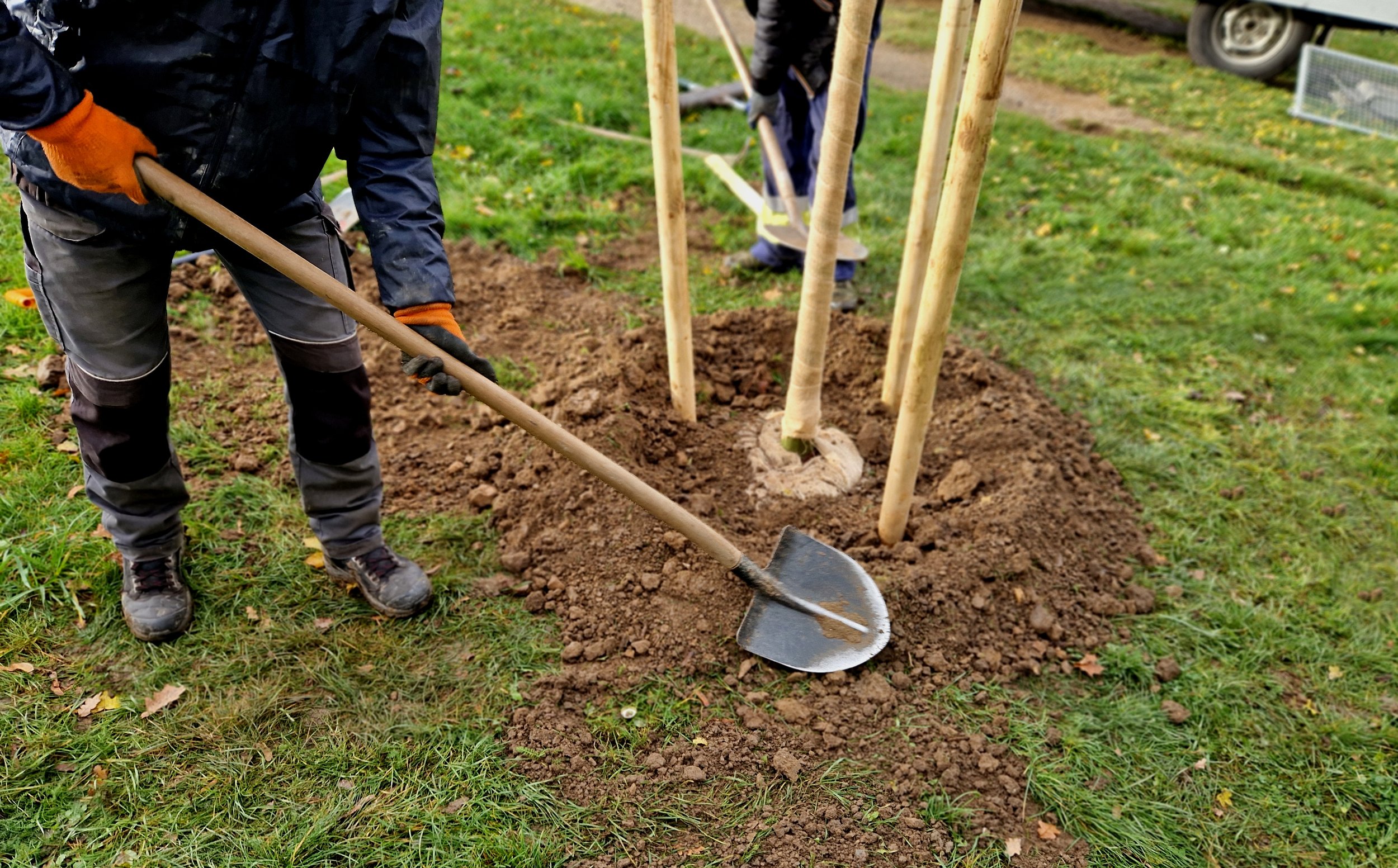
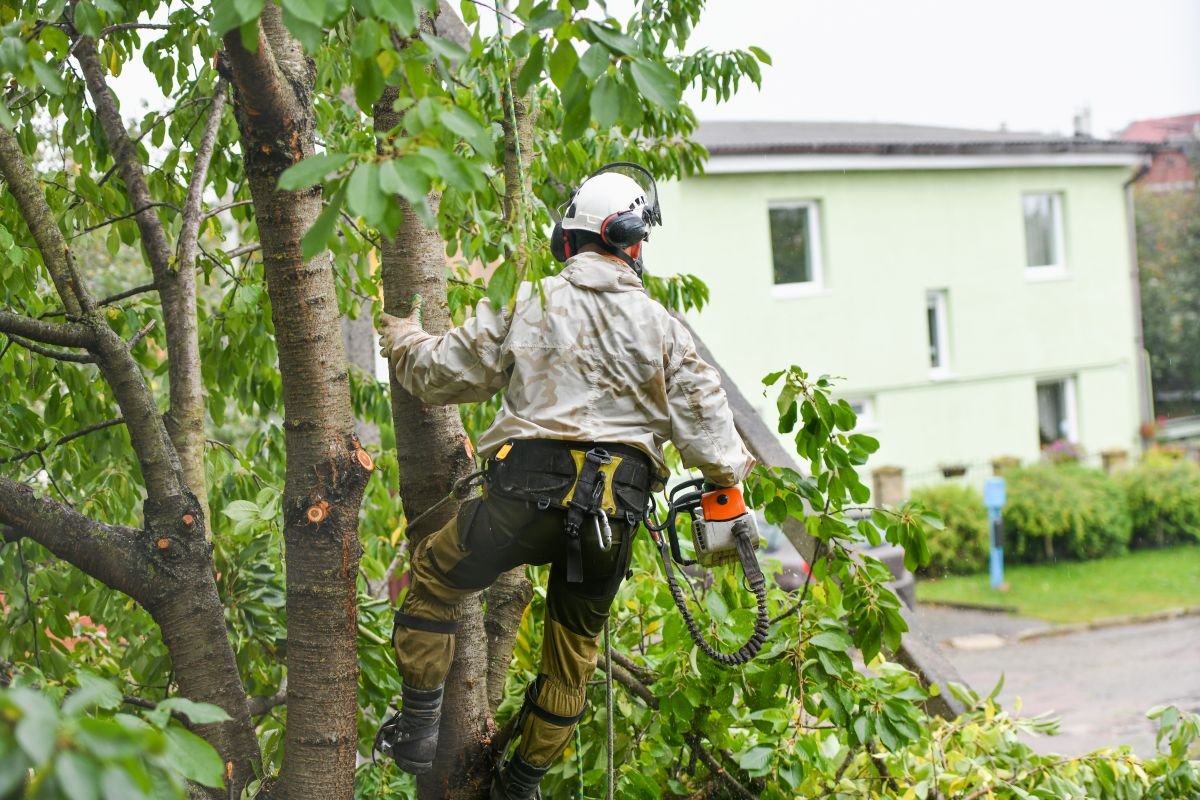
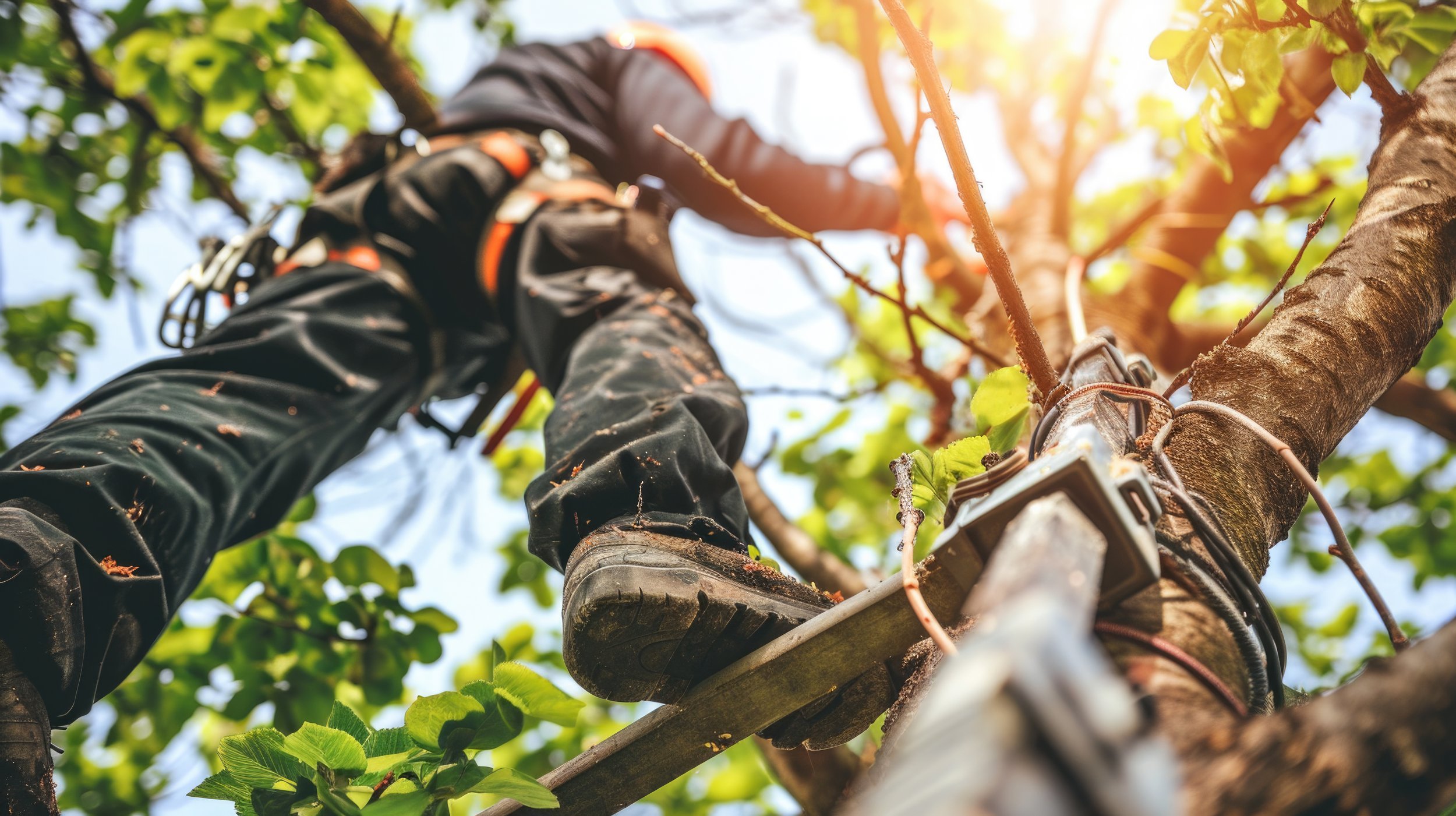
Tree care remains one of the most hazardous professions in the country. Whether crews are pruning, removing hazardous trees, clearing storm damage, or performing routine maintenance, the work demands planning, precision, and strong safety practices. Despite ongoing improvements in training and equipment, three accident types continue to cause serious injuries and fatalities: falls, electrical contact, and struck by incidents.
Author, Rory Anderson, Partner, Account Executive, Rancho Mesa Insurance Services, Inc.
The tree care industry has always carried a unique set of risks, but in today’s insurance climate, business owners are facing challenges unlike anything they have seen before. What used to be a straightforward cost of doing business has evolved into one of the more complex and expensive aspects of running a company. Nearly every major coverage line is feeling rate pressure, stricter underwriting standards, and fewer carriers willing to take on the exposure.
Author, Rory Anderson, Partner, Account Executive, Rancho Mesa Insurance Services, Inc.
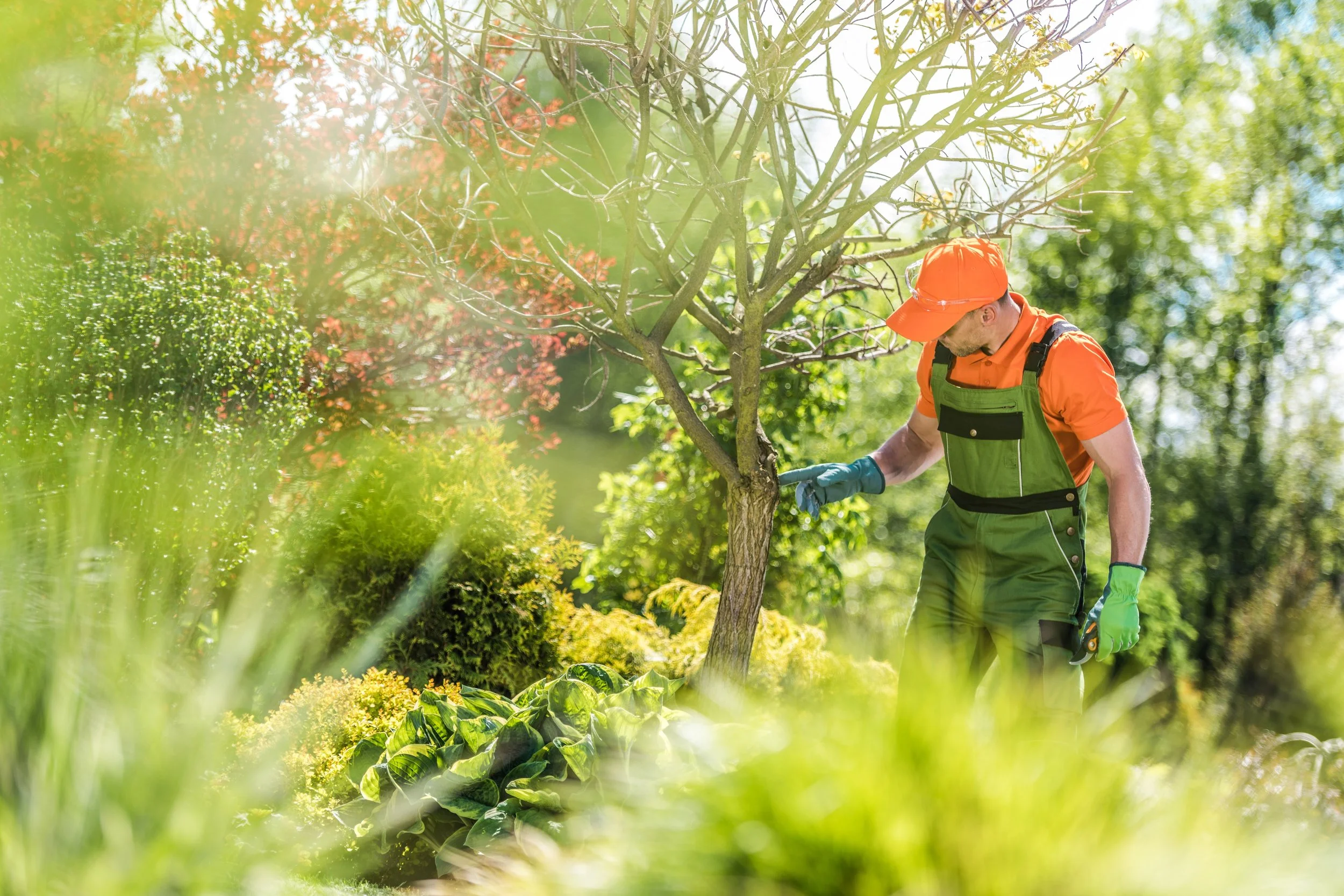
When it comes to insurance, your broker is responsible for representing your business to the marketplace. And, how your company is presented makes a real difference. There is a clear distinction between a submission that includes only the basics, an application and loss runs, and one that provides a full picture of your operations, safety practices, and credentials. Underwriters respond more favorably to businesses that take risk management seriously and can show it.
Author, Rory Anderson, Partner, Account Executive, Rancho Mesa Insurance Services, Inc.
Operating a tree care business comes with numerous risks, from ensuring your team’s safety on the job to managing potential property damage. One crucial area of risk that is often overlooked is Employment Practices Liability Insurance (EPLI), specifically third-party coverage. Third-party EPLI can help protect your business from expensive lawsuits, making it essential for businesses that regularly interact with the public.
Author, Rory Anderson, Partner, Account Executive, Rancho Mesa Insurance Services, Inc.
There are a few different reasons for a carrier to schedule a loss control visit. Sometimes, a carrier may want to perform a loss control visit before they quote your insurance. However, for the purpose of this article, I’d like to focus on the loss control service offering provided directly from your current insurance carrier.
Author, Rory Anderson, Partner, Account Executive, Rancho Mesa Insurance Services, Inc.
Whether you have a consulting arborist on staff or not, every tree care company has a professional liability exposure. Your general liability policy will likely exclude professional liability claims. A misdiagnosis of tree disease, damage to property, or an injury resulting from an error or miscalculation can be extremely costly. So, it is important to understand the risk, then make a decision on whether or not you would like to transfer that risk by purchasing a professional liability policy.
Author, Rory Anderson, Account Executive, Rancho Mesa Insurance Services, Inc.
The vehicles that tree care companies are using today have become more specialized and more mechanized than ever. These specialized vehicles contribute to the overall productivity, profitability, and safety of the tree care industry.

Author, Rory Anderson, Account Executive, Rancho Mesa Insurance Services, Inc.
Tree care companies use specialized vehicles and equipment to perform their work. These assets are vital to the success of the company. To maintain their effectiveness, the machines need routine maintenance and upkeep. Issues arise when they break down, so it’s important to repair them immediately to limit business interruptions such as decreased productivity and profitability. The maintenance of the machinery can be a full time job, and some tree care businesses are lucky enough to have an employee, or a team of employees, dedicated to shop maintenance.

Author, Rory Anderson, Account Executive, Rancho Mesa Insurance Services, Inc.
These days, everything is more expensive. Between inflation and supply chain issues, the cost of equipment is steadily increasing. As the tree care industry becomes more mechanized, we see new technological advancements in machinery and equipment that are greatly improving the productivity, profitability, and safety of the industry. These big ticket equipment purchases are a major investment for a tree care business. It is important to make sure that your assets are insured correctly so you can rest easy knowing that if something were to happen to them, you are properly covered. This can provide financial protection and affirm business continuity.

Author, Rory Anderson, Account Executive, Rancho Mesa Insurance Services, Inc.
As a tree care company operating in wildfire-prone areas, the safety of your crew, equipment, and vehicles is paramount. Wildfires can be unpredictable and devastating, posing a significant threat to your valuable assets. To mitigate risk of potential losses, it is important to have an effective asset relocation plan in place. This plan ensures that in the event of a wildfire, your vehicles and equipment have a safe place, reducing the risk of damage or total loss. This safe relocation address should be in an urban area, surrounded by buildings – not rural vegetation. It can be a mall parking lot or any urban lot. Let’s explore the reasons why having an asset relocation plan is crucial for tree care companies.
Author, Rory Anderson, Account Executive, Rancho Mesa Insurance Services, Inc.
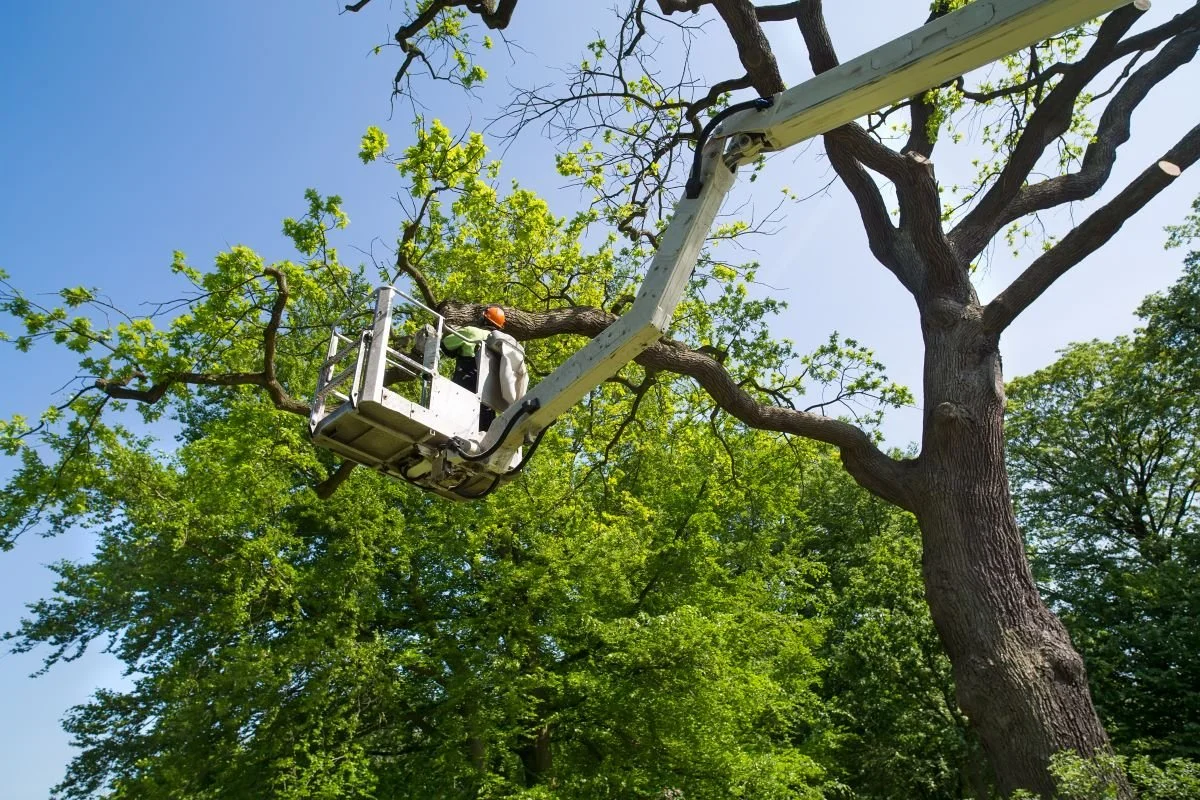
Mechanization refers to the process of introducing machinery, equipment, or automated systems to replace human labor. Today, the tree care industry is becoming more mechanized with many technological advancements that are greatly improving the productivity, profitability, and safety of the industry. Let’s focus on safety.
Author, Rory Anderson, Account Executive, Rancho Mesa Insurance Services, Inc.
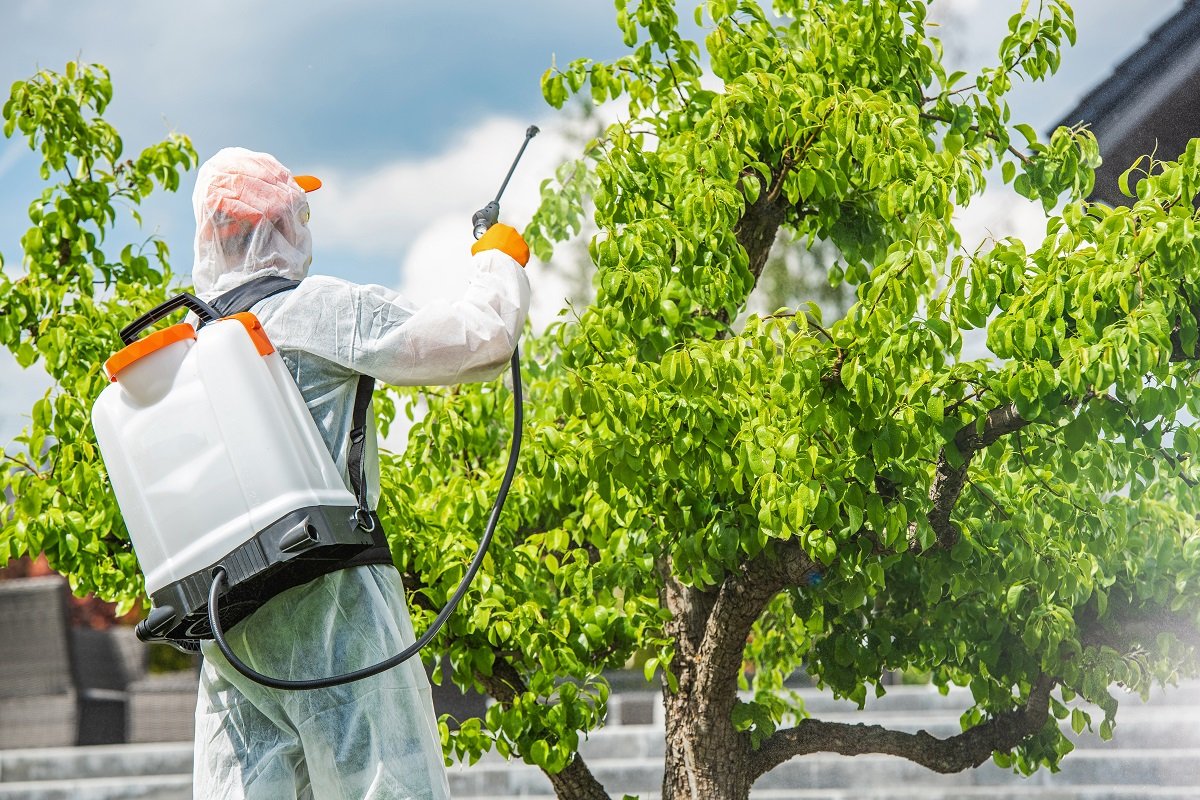
Most tree care companies use pesticides, herbicides, fungicides, and other chemicals as a part of their operations. Even if the company does not offer plant health care, many tree care professionals still use hydraulic fluids, gasoline, and other fluids to operate or maintain equipment and vehicles. The use of heavy equipment and chemicals, while operating exclusively outdoors, opens the company up to environmental exposure.
Author, Rory Anderson, Account Executive, Rancho Mesa Insurance Services, Inc.
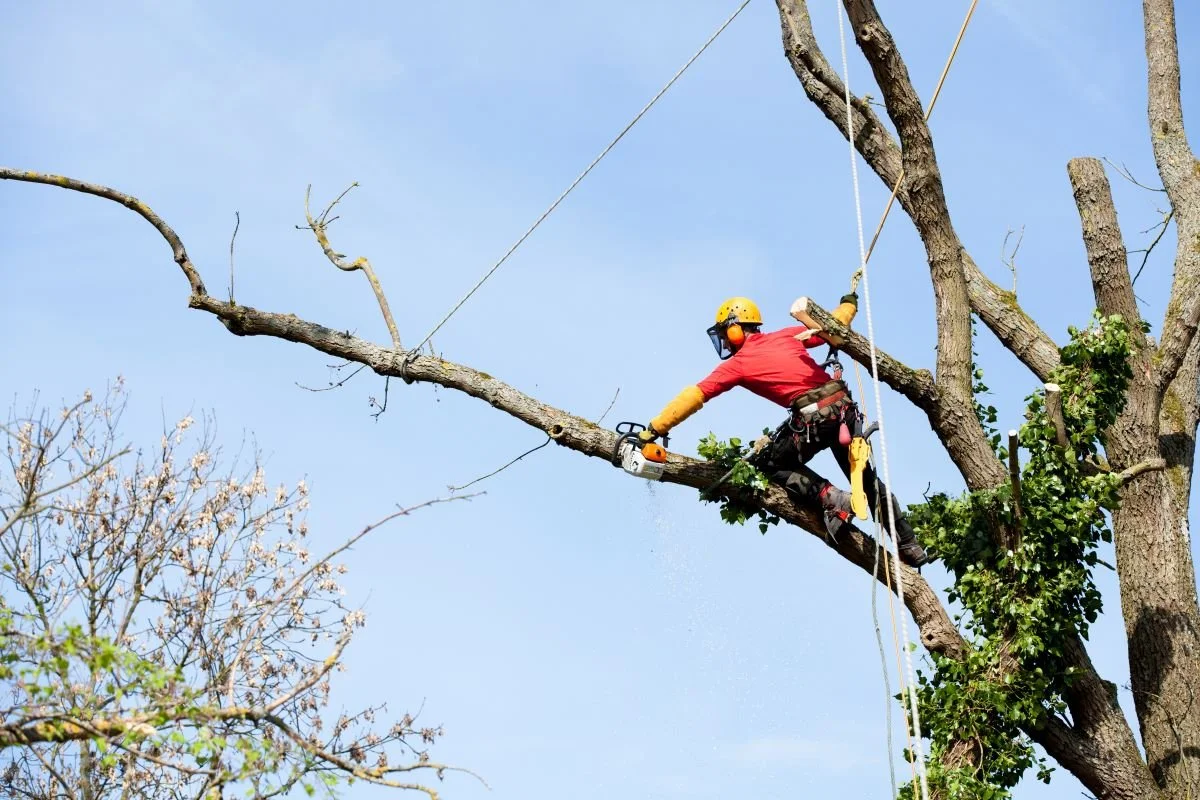
Within the last few weeks, all licensed tree care companies received a notice in the mail from the California State License Board (CSLB) stating that effective January 1, 2023, the CSLB is requiring that all companies with a D-49 Tree Service Contractor license must have workers’ compensation insurance, regardless of whether they have employees.

Author, Rory Anderson, Account Executive, Rancho Mesa Insurance Services, Inc.
Pure premium rates are determined by the Workers’ Compensation Insurance Rating Bureau (WCIRB). The rates reflect the amount of losses that an insurance carrier can expect to pay out in claims for that particular class of business. Every year, the WCIRB submits pure premium rates to the California Department of Insurance for approval. These pure premium rates are comprised of loss and payroll data submitted to the WCIRB by all the insurance companies in California.
Author, Rory Anderson, Account Executive, Rancho Mesa Insurance Services, Inc.
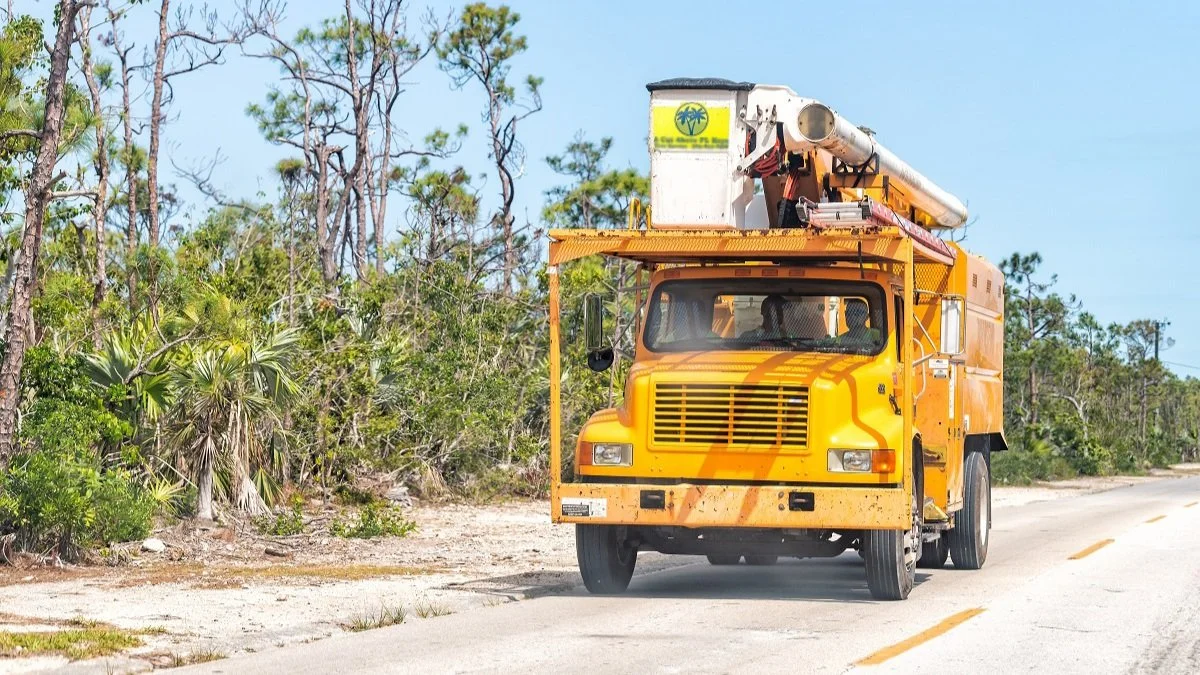
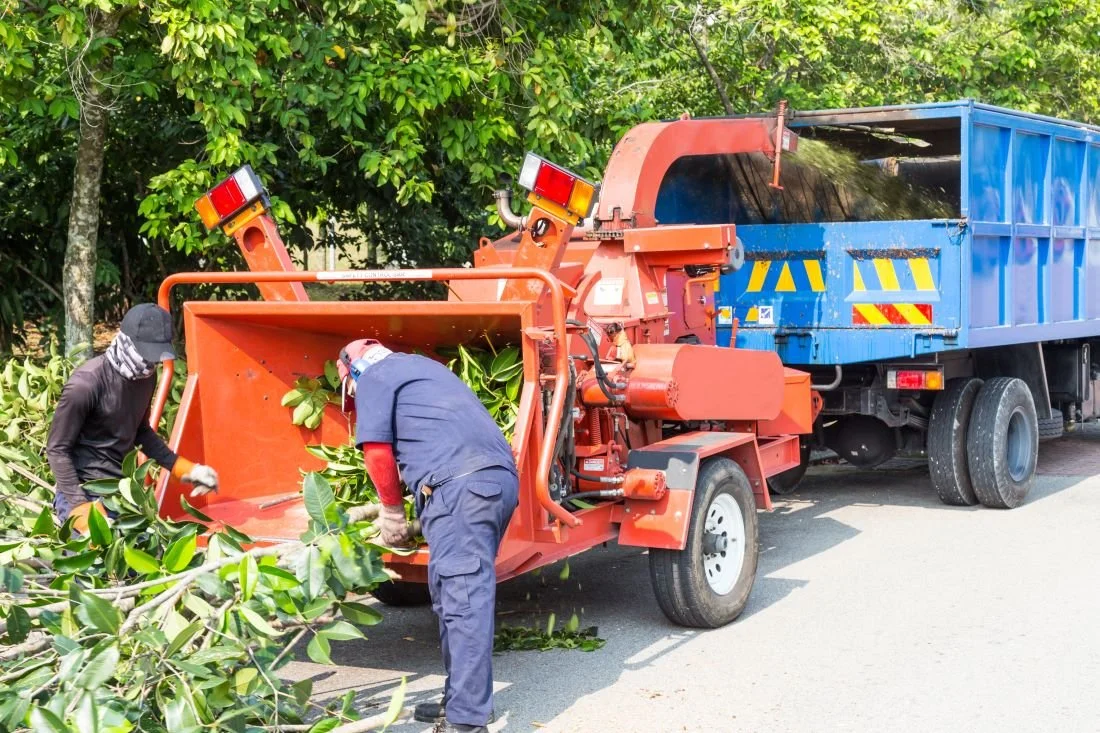
A tree care company’s auto fleet includes specialty vehicles like bucket and box trucks. These vehicles are important assets for the company and critical for completing jobs. Getting into an auto accident is already stressful, but what can add more grief is if the vehicle that gets damaged is vital for your business. In this case, you will be looking to rent a replacement vehicle during the repair window so that your business can maintain productivity and profitability. With this in mind, rental reimbursement coverage helps cover the rental cost incurred while your vehicle is repaired after a covered loss.
Author, Rory Anderson, Account Executive, Rancho Mesa Insurance Services, Inc.
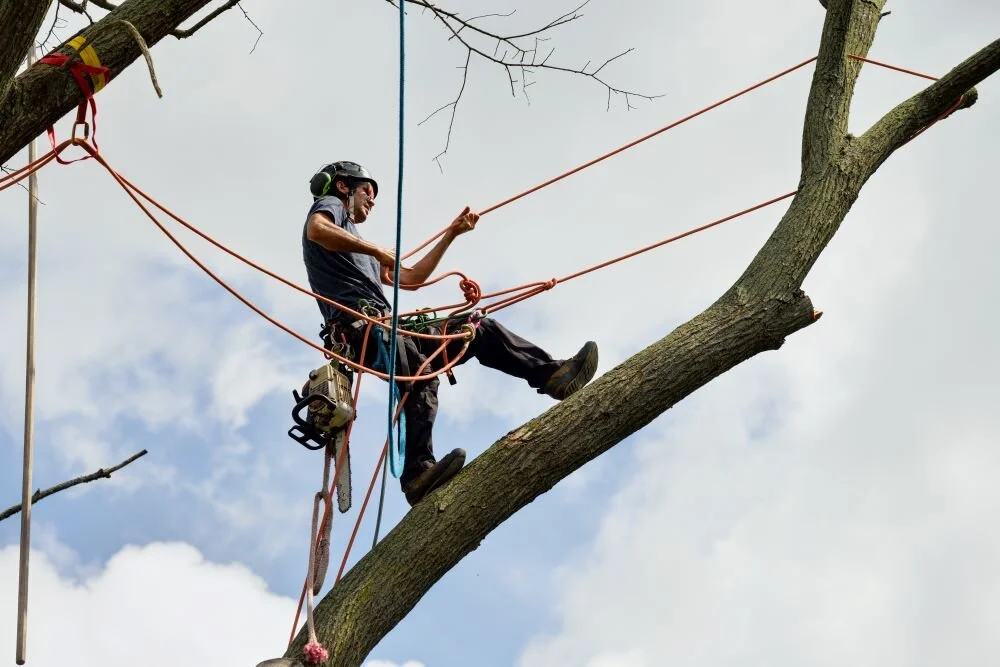
Tree care professionals regularly work with equipment that utilizes hydraulics: aerial lifts, stump grinders, and chippers, just to name a few. Injuries from hydraulic fluid leaks are very serious and can result in amputation.
Author, Rory Anderson, Account Executive, Rancho Mesa Insurance Services, Inc.
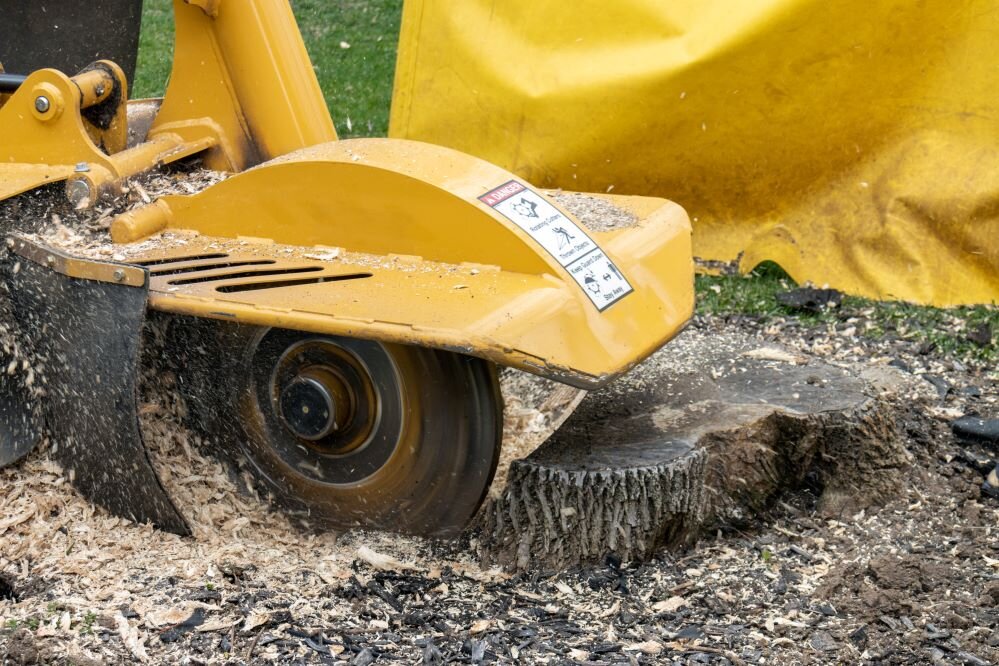
Every year, Federal OSHA conducts hundreds of inspections and issues costly citations to tree care companies. Although the Occupational Health OSHA citations can be issued for many reasons, there are five specific citations that continually plague the tree care industry every year.
Author, Rory Anderson, Account Executive, Rancho Mesa Insurance Services, Inc.
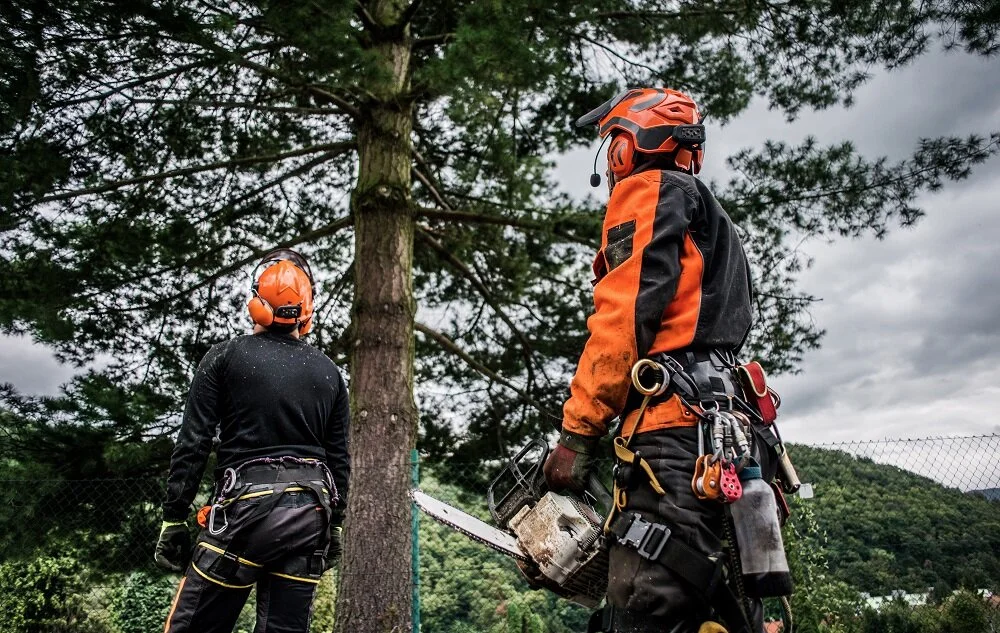
Because stump grinding is done from the ground, it can create some confusion for tree care companies on how to properly classify this exposure for workers’ compensation insurance. It’s important to understand how and where to classify this exposure, so you’re not setting yourself up for an issue at the audit. The Workers’ Compensation Insurance Rating Bureau defines all class codes to help companies classify specific operations. Let’s look at how they define 0106 Tree Pruning, Repairing or Trimming.
Author, Rory Anderson, Account Executive, Rancho Mesa Insurance Services, Inc.
Professional tree care companies must have a general liability policy that will cover incidents that cause bodily injury or property damage resulting from their operations. However, there are situations that will not be covered under a typical general liability policy and would require professional liability coverage, or, in the tree care industry it would specifically be Arborist Errors and Omissions coverage. Here are three exposures that tree care companies face that a professional liability policy would address.

Author, Rory Anderson, Account Executive, Rancho Mesa Insurance Services, Inc.
In California, each workers’ compensation insurance company has its own set of base rates for each class of business. In order to come up with their base rate for each class code, the insurance carrier applies their Loss Cost Multiplier (LCM) to the Workers’ Compensation Insurance Rating Bureau’s (WCIRB) pure premium rates.

Author, Rory Anderson, Account Executive, Rancho Mesa Insurance Services, Inc.
The total cost of risk is the sum of the measurable expenses that are associated with managing risk within any organization. Every successful business has a process for tracking and measuring performance to improve results. It is important for business owners to keep a pulse on key performance indicators. But, how are you measuring risk related costs? Some people may think that insurance premiums are the only cost associated with risk, but we need to look at the bigger picture.

Author, Rory Anderson, Account Executive, Tree Care Group, Rancho Mesa Insurance Services, Inc.
The premium for your workers’ compensation policy is based on the type of work you do, and the amount of payroll incurred. By maintaining proper payroll records, segregating the wages earned by your employees, you may reduce the cost of your workers’ compensation insurance. The final audit is the process that calculates the last premium due. It compares the estimated payrolls to actual wages paid during the policy year. The audit may result in a refund or additional premium due. Workers’ compensation audits also determine if the classification codes quoted at inception accurately reflect the scope of work performed during the policy period. Insurance carriers charge more premium for higher risk operations, like tree trimming.

Author, Rory Anderson, Account Executive, Rancho Mesa Insurance Services, Inc.
Many tree care companies perform work that could be classified as “landscape gardening.” The risk and exposure associated with this class code is minimal compared to those associated with tree trimming. Without the additional tree care exposure, landscape gardening workers’ compensation insurance rates are significantly lower than tree trimming rates. Common questions we receive from our tree care clients are…
Author, Rory Anderson, Account Executive, Rancho Mesa Insurance Services, Inc.
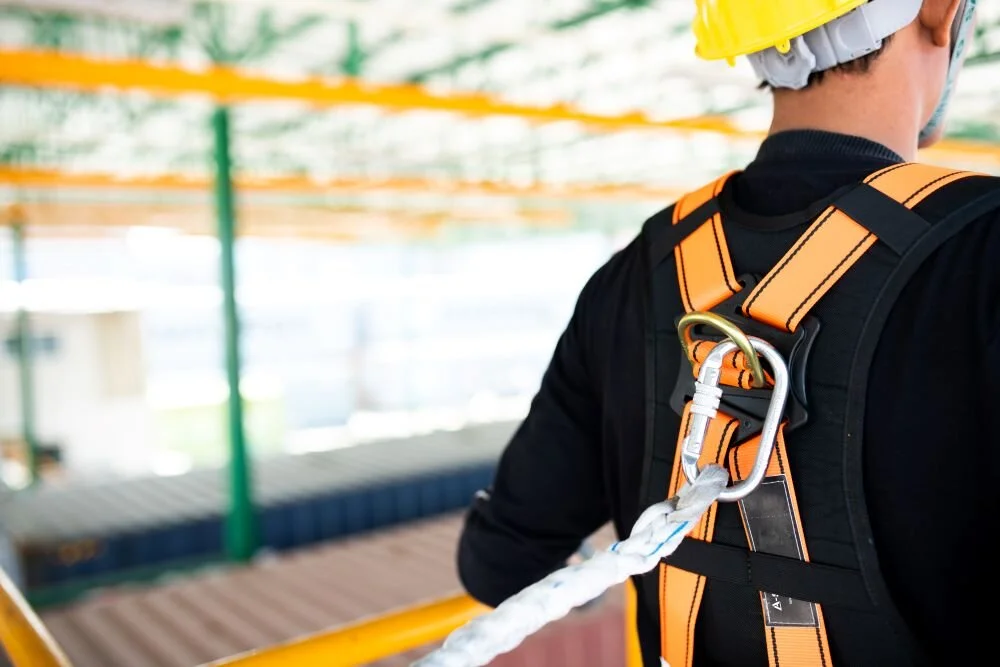
Aerial lifts have become extremely popular over the past few years in the arboriculture industry. An aerial lift is an ideal way to reach higher trees safely and securely. They can also make potentially hazardous tree removal safer and more efficient. This equipment requires extensive training to operate responsibly, and the lack of this training has led to an increase in accidents and injuries with aerial lift devices.
Author, Rory Anderson, Account Executive, Landscape Group, Rancho Mesa Insurance Services, Inc.
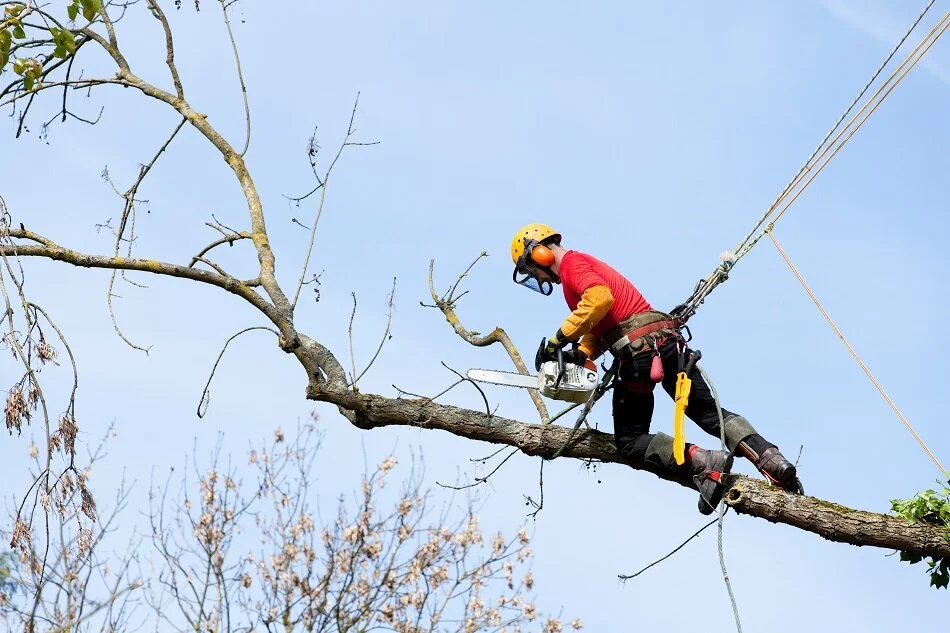
Trees require regular maintenance to ensure their health and safety. Dead or diseased trees must be cut down in order to prevent injuries to people or damage to nearby structures. Maintaining trees through trimming is a dangerous task, even for experienced professionals. Unfortunately, accidents do occur. The three most common types of serious accidents experienced by tree trimmers are…
Articles Written by Rory Anderson
Author, Megan Lockhart, Marketing & Media Communications Specialist, Rancho Mesa Insurance Services, Inc.
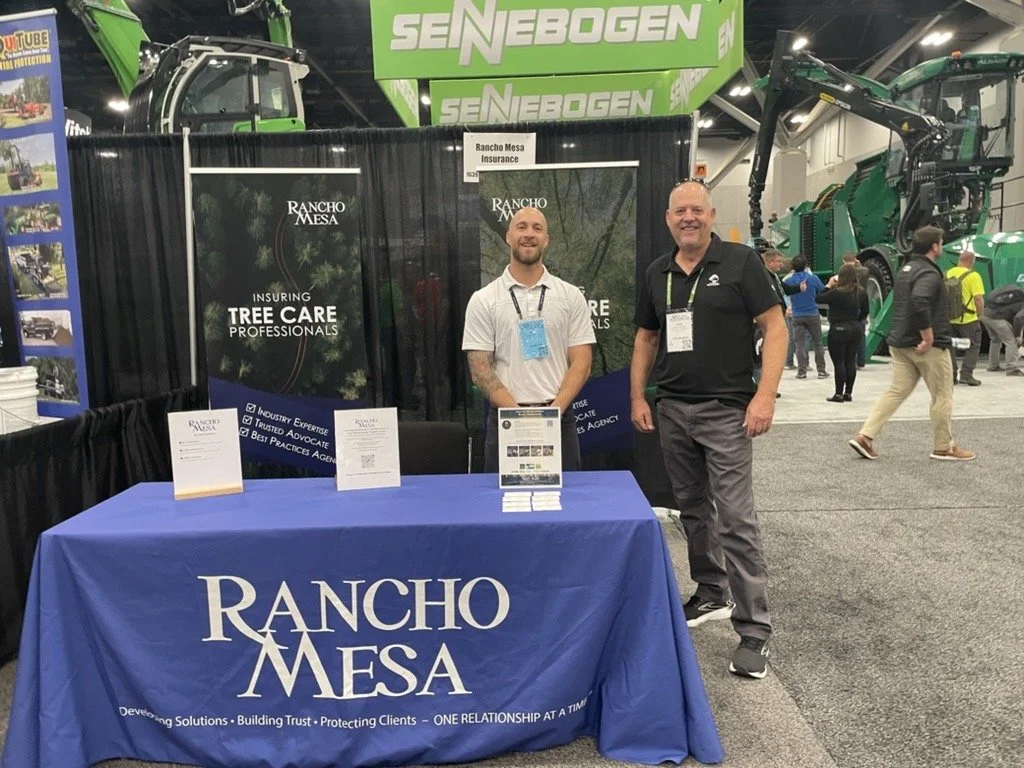
Rancho Mesa’s Rory Anderson, represent Rancho recently at TCI EXPO 2025 which was held November 6-8 at the America’s Center Convention Complex in St. Louis, MO.
Author, Megan Lockhart, Marketing & Media Communications Specialist, Rancho Mesa Insurance Services, Inc.
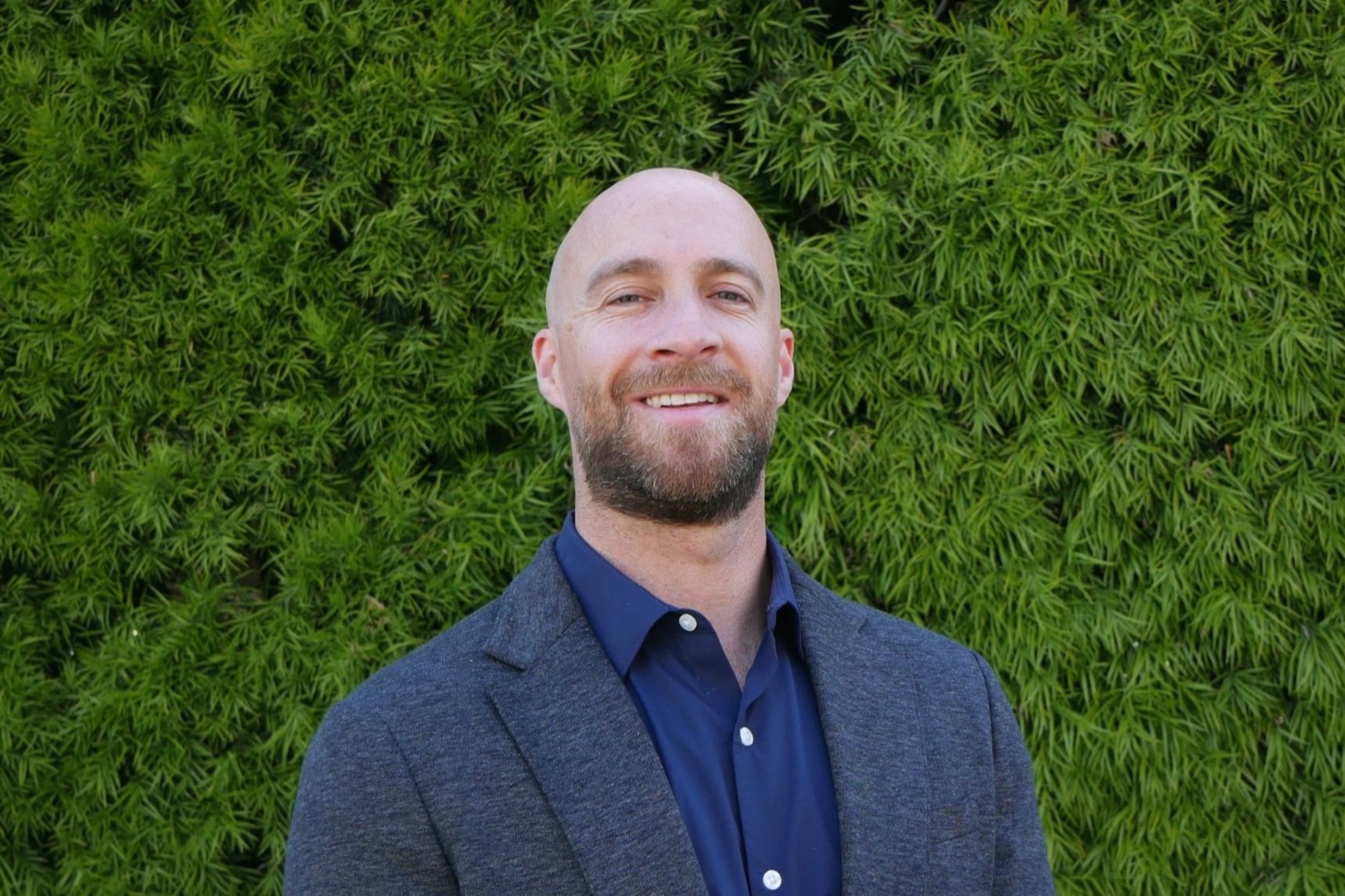
Account Executive, Rory Anderson, has recently made an exciting step with Rancho Mesa, becoming the newest partner in the company.
Author, Lauren Stumpf, Marketing & Media Communications Specialist, Rancho Mesa Insurance Services, Inc.
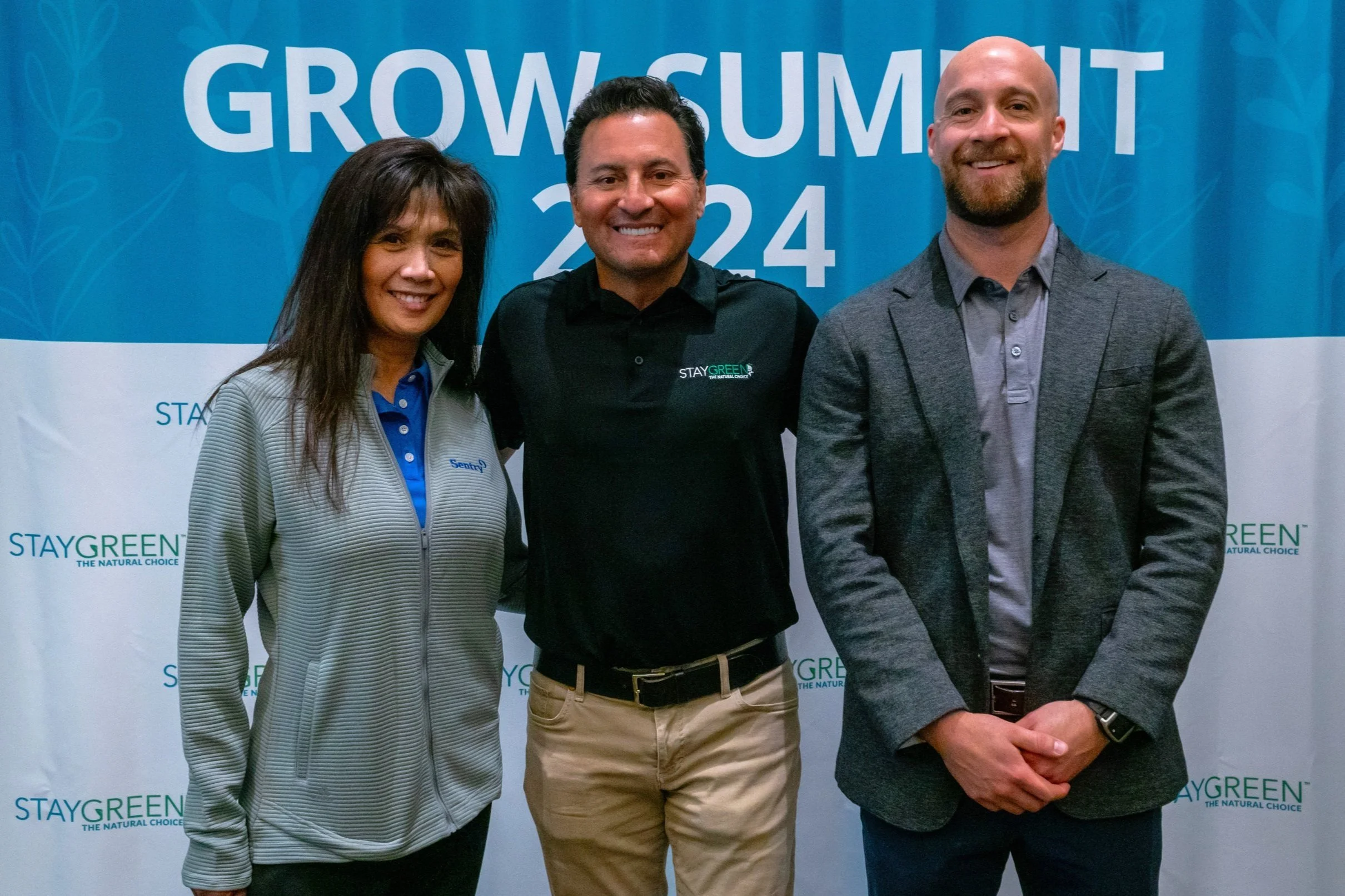
Stay Green, Inc. recently hosted Grow Summit 2024, a training event focused on enhancing employee development within the landscape industry.

Author, Lauren Stumpf, Marketing & Media Communications Specialist, Rancho Mesa Insurance Services, Inc.
Rancho Mesa’s Rory Anderson, Account Executive of the Tree Care Group, was recently a guest on The IndusTREE Podcast.

Author, Lauren Stumpf, Media Communications & Client Services Specialist, Rancho Mesa Insurance Services, Inc.
Rancho Mesa's tree care expert Rory Anderson, alongside fellow industry peer Eric Petersen, were panelists during a recent informative webinar designed specifically for tree care professionals.

Author, Lauren Stumpf, Media Communications & Client Services Coordinator, Rancho Mesa Insurance Services, Inc.
Rancho Mesa is pleased to congratulate Rory Anderson, Account Executive of the Tree Care Group, and wife Alex Anderson on their recent wedding. The ceremony took place on Friday, September 25, 2020 at the The Belmond El Encanto in Santa Barbara, CA.
Author, Lauren Stumpf, Media Communications Coordinator, Rancho Mesa Insurance Services, Inc.
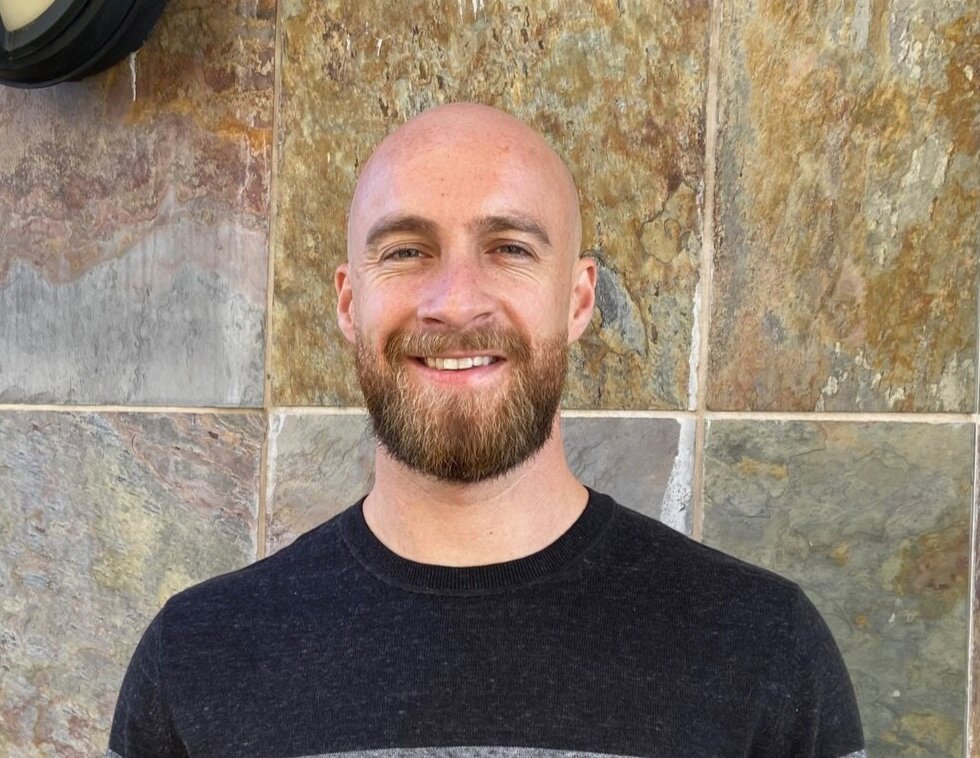
Rancho Mesa Insurance Services is pleased to announce the hiring of Rory Anderson, an Account Executive in the Landscape Group.